 Himchan Hospital Symposium
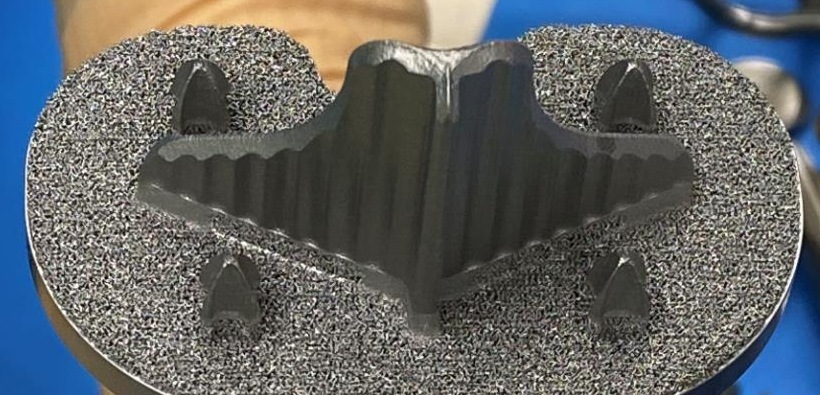
I review the evidence and limitations of contemporary cementless implants, explain planning and operative steps using robotics and functional alignment, and discuss principles of patient selection.
Read the lecture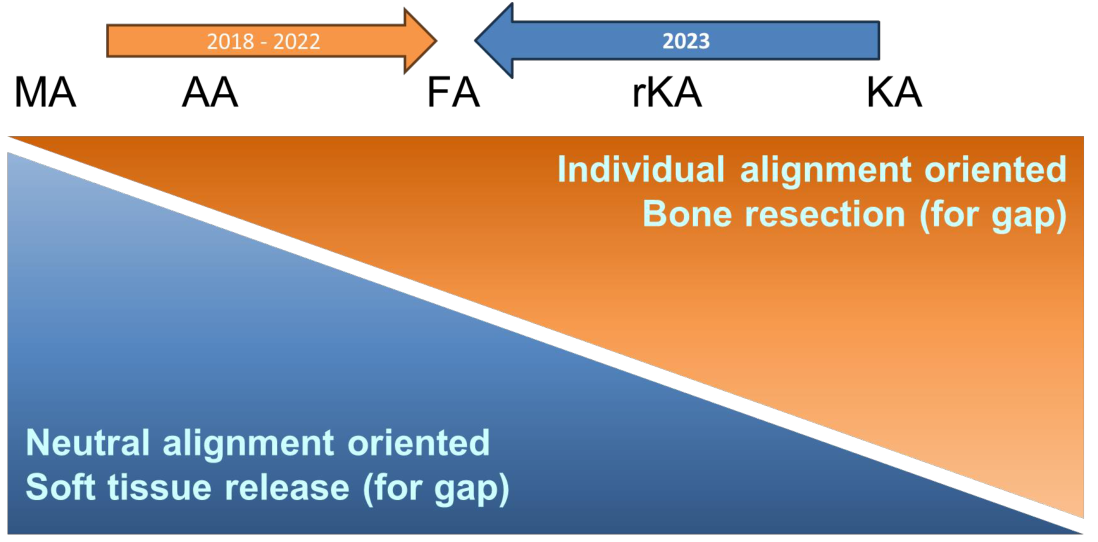 Korea University Hospital Continuing Education for Practicing Physicians
This lecture expands the discussion from neutral alignment as a shared goal to the selection of targets tailored to each patient's anatomy and soft tissues. It explains the principles of patient-specific alignment planning by connecting constitutional varus and CPAK, arthritic deformity, the evidence and limitations of functional alignment, and AI-based measurement and prediction.
Read the lecture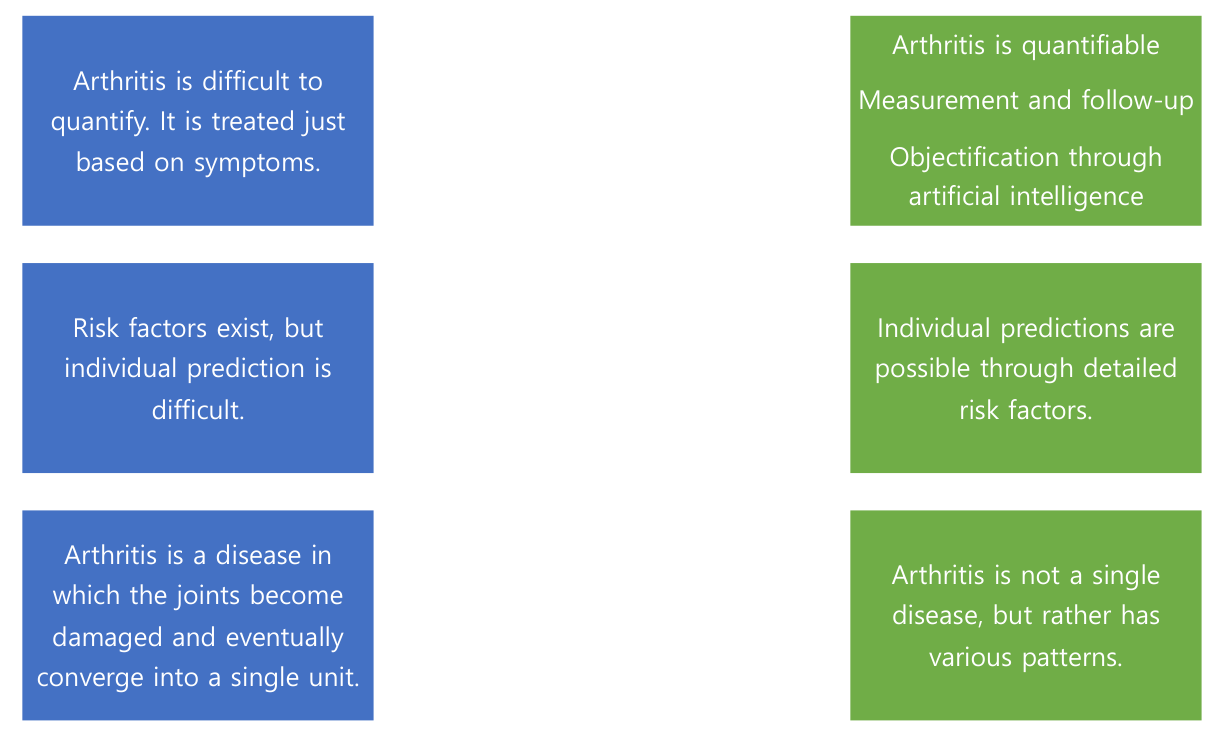 APKASS
This lecture examines objective measurement, quantitative tracking of structural change, and individual prognosis in knee osteoarthritis. It connects joint space width, lower limb alignment, and MRI findings, and considers the clinical meaning of AI through validation in independent cohorts.
Read the lecture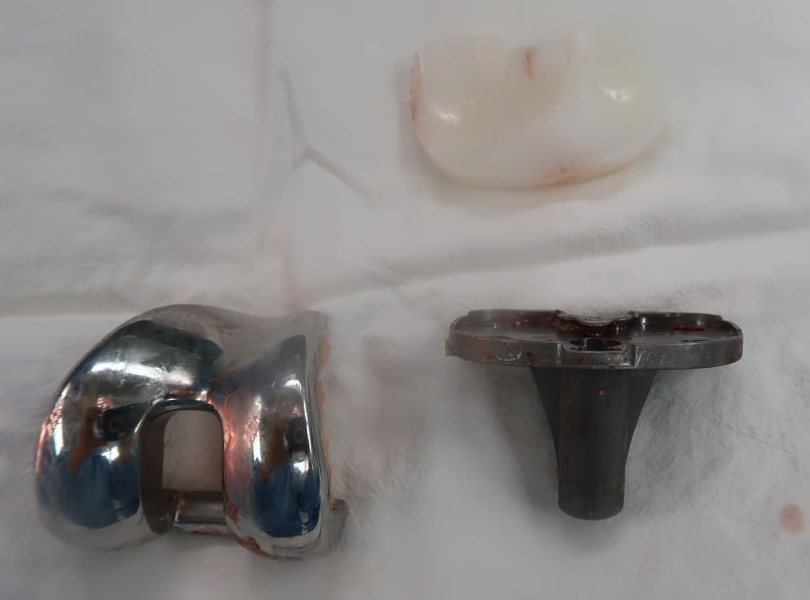 2025 Korean Knee Society Continuing Education Course
This lecture examines wear-particle generation and the biological response that produces osteolysis after total knee arthroplasty, then considers surveillance, insert exchange, and revision based on infection assessment and component fixation.
Read the lecture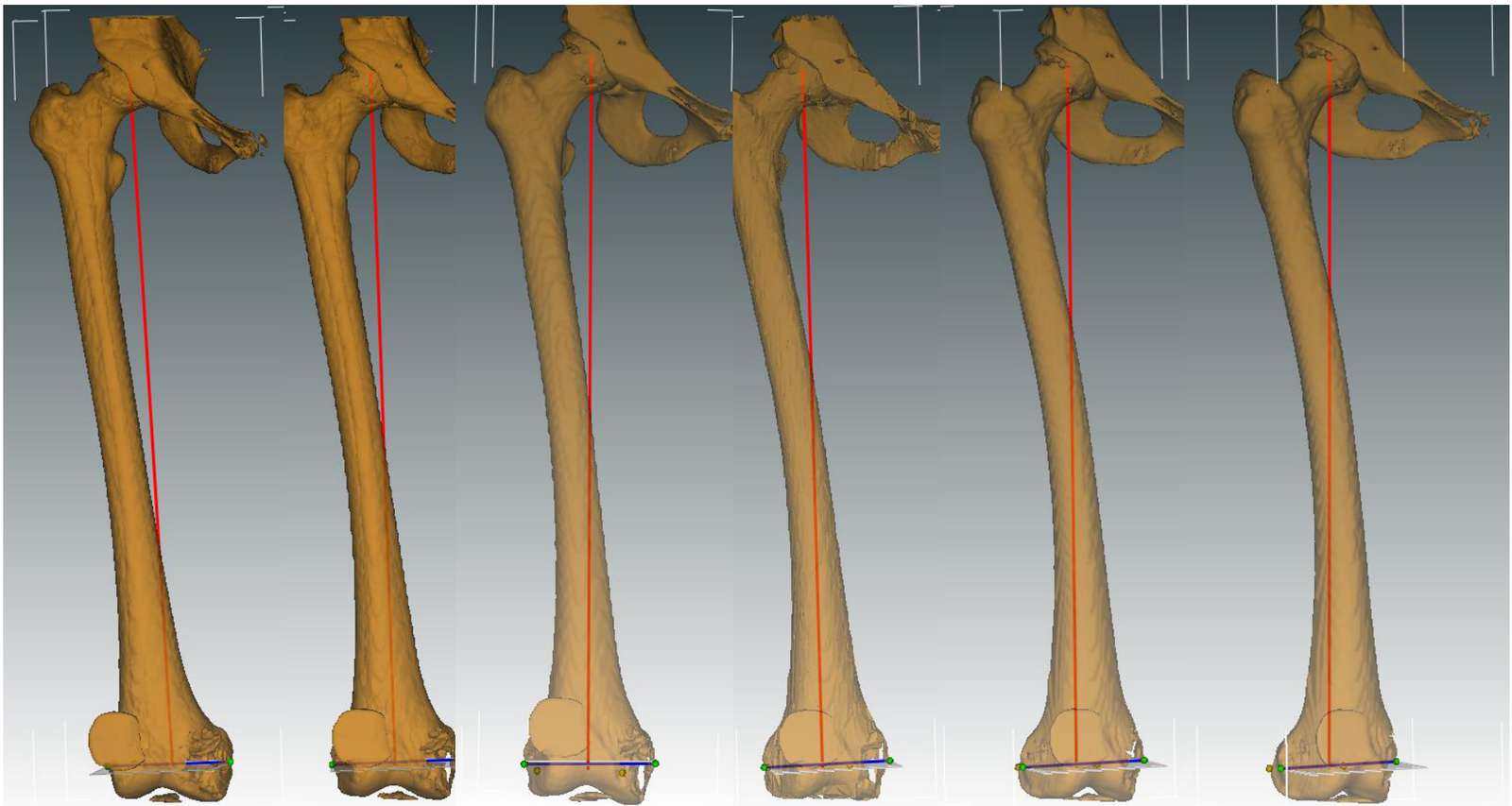 Hallym University Hospital Symposium
Personalized planning for total knee arthroplasty begins with accurate measurement of each patient’s anatomy and connects implant size, alignment, and position to the surgical procedure. This lecture examines the roles and limitations of AI-assisted 2D and 3D templating, the use of risk and recovery prediction, and the validation required in clinical workflows.
Read the lecture 13th Anterior Cruciate Ligament Symposium, 2026
Review injuries to avoid when harvesting hamstring, quadriceps tendon, and BPTB grafts, and the options to assess when graft length or diameter is insufficient. Consider the evidence for 5-strand constructs, allograft augmentation, suture tape, and LET separately.
Read the lectureOARSI 2026 · LecturesOA images are often explained by grade. Grades aid comparison, but knees within one grade differ in appearance and course: some show prominent osteophytes, others earlier narrowing, and alignment changes at different rates. The OARSI lecture discussed studying these differences with imaging biomarkers and AI measurement.
## Classifying severity and measuring change
KL grades are widely useful but may miss small, site-specific changes. Millimeter joint-space or continuous alignment measurements can reveal information between grades. More decimal places alone do not make a better marker: assess repeatability, positioning effects and responsiveness to real change.
## What a narrower joint space means
X-ray joint space reflects information from cartilage and menisci. The MOST X-ray–MRI study found location-specific tissue changes and an important association of meniscal extrusion with progression. The question is what tissue a number reflects, rather than obtaining more MRI for everyone. Reading original figures helps show what each test depicts.
## AI applies a consistent ruler to many images
Finding landmarks and repeatedly measuring angles on full-leg images takes time. Our group studies automatic landmark detection, angles, and joint-space measurement. Repeatability and closeness to reference values are different abilities. Examine failures hidden behind averages; poor images or unfamiliar settings mean automatic results cannot simply be accepted.
## Connect structure and progression without assuming causation
JLCA–alignment progression and CPAK–OA severity studies suggest candidate markers for understanding the knee’s course. Association does not prove that changing an angle prevents progression. Validation must extend to surgical targets, pain and function, and long-term outcomes. That is why exploratory lecture examples are not transferred into established clinical cutoffs.
## Bring the results back as clearer patient explanations
Detailed measurement is not for producing more numbers. It should explain change and uncertainty and clarify what matters to the patient when choosing care. Walking, sleep, work, and sport bring different goals. Shared decision-making research evaluates this process. Accurate explanation separates what the study shows from what still needs testing.
Read the lectureAI research workflowDuring residency, collecting and formatting data, reading papers, organizing tables, and translating statistics into sentences took substantial time. AI may reduce that work. The lecture and “Integrating AI into the Research Workflow” emphasize the questions researchers should settle first, rather than the number of tools they use.
## First, narrow the research question
Write which patient problem you will compare, against what, and using which outcome. AI ideas still need checking against available data. Choosing a plausible result first and fitting the question backwards can distort interpretation. Define hypotheses, outcomes, participants, and exclusions before analysis when possible.
## Finding literature and checking the evidence
AI helps find material in long papers and tabulate populations, methods, and results. Verify that titles and DOIs exist and locate each reported number in the original text or table. If only the abstract was read, say so. Agreement between models is not verification; the standard remains the actual source.
## Record decisions in design and analysis
Specify selection, missing data, covariates, and correlations when both knees belong to one person. Working code is not necessarily appropriate analysis. Check units, direction, sample size, duplicates, and exclusions. Cross-check main results with other calculations and assess how alternative methods change conclusions.
## Keep the question and denominator in the figure
A good figure identifies the comparison, axes, units, sample size, uncertainty, and groups. AI schematics must be labeled separately from original figures; generated pictures must not replace real images or experiments. Means can hide distributions, and accuracy can hide failures. This is why the website pairs original figures with sources and explanations.
## Editing the text does not expand the findings
Polished prose can hide claims larger than the results. Check that association has not become causation, internal validation has not become proof at another hospital, and a research model has not become a validated treatment. Use reporting guidance suited to the design and explain methods and limits together. Accurately recording the answered question matters more than drafting quickly.
## Human responsibility and protection of data
ICMJE does not list AI as an author: use should be disclosed, and humans remain responsible for accuracy and sources. Removing names alone does not make patient information or confidential drafts safe. Work within institutional rules and suitable data-handling conditions. Use time saved by AI to check evidence and analysis, rather than skipping review.
Read the lecture