Daily activities and exercise
Can I exercise if I have knee osteoarthritis?
Learn how to start strengthening, walking and cycling, and adjust the amount to your symptoms.
At a glance
- Exercise is included in osteoarthritis therapy.
- It's sorted by type and quantity, based on the pain and body mass.
- pain or if you get worse, adjust the method again.
Yes. Therapeutic exercise tailored to your condition is recommended for knee osteoarthritis. Start with thigh-strengthening exercises and aerobic activities whose intensity you can adjust, such as walking or stationary cycling. Mild discomfort can occur at first, but a clear increase in pain or swelling means the amount or type of exercise needs to be adjusted.
The muscle strength gene sequencing works differently.
Strength training for the thighs and hips helps build the ability to stand up and walk. Walking, stationary cycling, and exercise in water help maintain aerobic fitness. Stretching explores a comfortable range of movement. Each has a different role.
Warm up with 5–10 minutes of easy walking or cycling. If the knee is very swollen or suddenly difficult to bear weight on, find out why before starting a new exercise. After recent surgery, follow the restrictions and rehabilitation plan for that operation.
Spreading knee from the legs and chair: From posture to frequency
For a straight-leg raise, bend one knee and keep the other leg straight. Tighten the thigh and lift the straight leg slowly. Reduce the height or range if your back arches or the knee bends. For seated knee extension, sit upright and straighten the knee slowly using your thigh muscles. Avoid kicking or swinging the leg. The photographs below show the positions.
One possible starting point is 1 set of 10 repetitions of each movement, if comfortable, increasing to 2–3 sets as it becomes easier. The AAOS rehabilitation materials describe 3 sets of 10 repetitions, 4–5 days a week, with maintenance exercise 2–3 days a week after recovery. These numbers are examples, not a single prescription for everyone with arthritis. Adjust them with your care team according to everyday function and symptoms the following day.
Walking and indoor cycling: increased in comfortable times
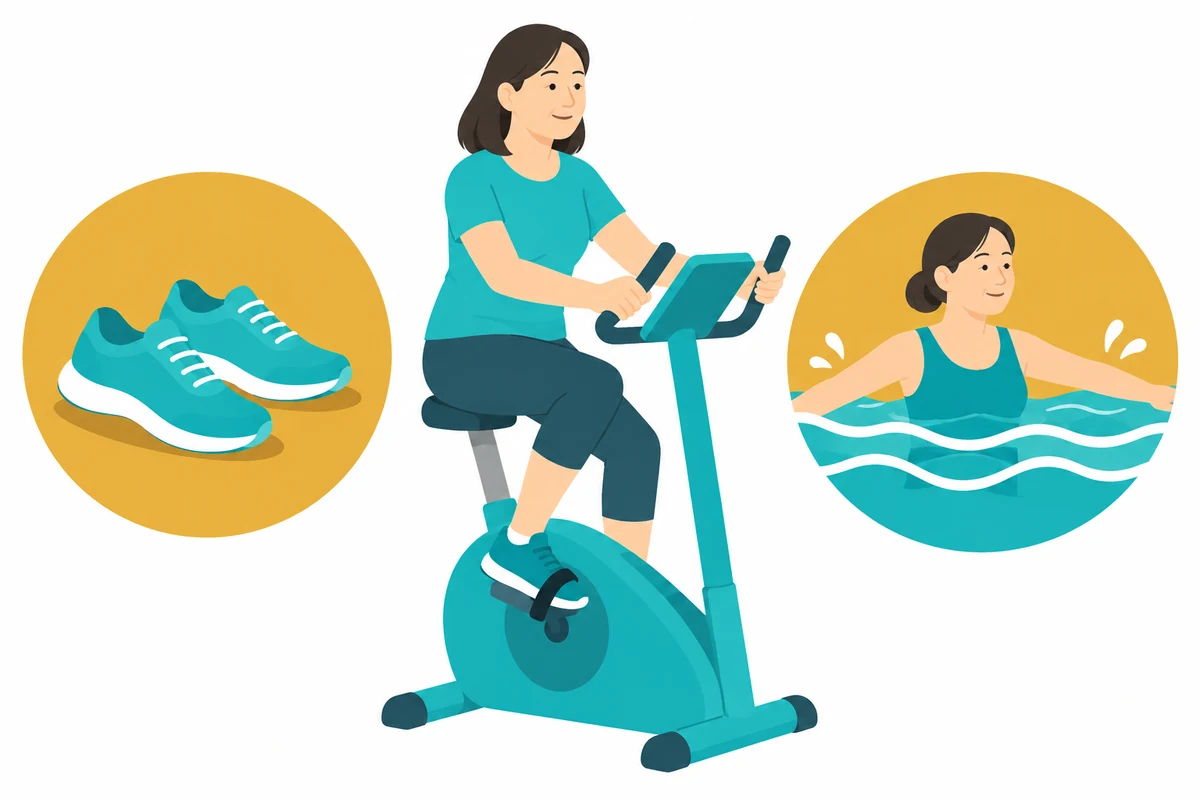
Start walking on level ground at a comfortable pace. If you have been inactive for a while, short walks of 5–10 minutes are one possible starting example. For stationary cycling, adjust the seat so the knee does not bend excessively and start with low resistance. Increasing duration, resistance, and hills together makes it harder to identify what caused discomfort.
For adults in general, WHO recommends 150–300 minutes of moderate-intensity aerobic activity a week and muscle-strengthening activity on at least 2 days a week. Your starting amount may be much smaller depending on pain and fitness. This is not a target that a person with arthritis must meet on the first day. If you are considering running, read the running articles below about previous injuries and changes in training load.
Stretching: It's not stretching, it's keeping the pull comfortable.
Check the tension in the calf and the front and back of the thigh. Avoid forcing the knee joint down or twisting it to the end of its range. Use a wall or chair for balance, and check that you are not bending your trunk to compensate for pain.
The AAOS examples use a 30-second calf stretch followed by 30 seconds of rest, and a 30–60-second quadriceps stretch repeated 2–3 times. If sharp joint pain occurs, reduce the range or change the movement instead of continuing to reach the stated time. If deep knee flexion is uncomfortable, ask about another position for stretching the front of the thigh. The stretching article includes photographs and explanations for each position.
We'll see the reaction after the exercise and adjust the quantity.
Some discomfort when starting exercise does not mean that all pain should be pushed through. Do not keep repeating a movement that causes sharp pain, new marked swelling or giving way, or limping afterward.
Record the exercise, repetitions and duration, pain and swelling afterward, and whether normal walking and stairs are possible the next day. If everyday activities become harder, reduce the range, resistance, sets, or duration and reassess. Seek evaluation for persistent pain or a possible new injury. A plan that can change with symptoms is easier to sustain.
What recent research has shown that exercise is helpful?
A 2025 BMJ analysis reviewed 217 randomised trials with 15,684 participants. Exercise helped pain and function. Among the 40 studies reporting adverse events, no clear difference was found between exercise and control groups. However, only 18% of the studies reported safety outcomes, so the findings do not establish that every exercise is safe for everyone.
A 2026 JOSPT systematic review analysed 20 randomised trials involving 791 people with knee osteoarthritis. It examined the intensity and volume of isotonic resistance exercise, which moves a joint against resistance. Pain, function and strength may improve, but certainty of evidence was low to very low. This review did not compare isotonic with isometric exercise. The cumulative repetitions used in its dose-response analysis should not be turned into a weekly prescription for every patient. Adjust exercise to technique, pain, swelling and the following day’s response.
Arthritis exercise and postoperative rehabilitation need separate plans
After joint replacement, osteotomy, or ligament surgery, wound and tissue healing may require limits on weight-bearing and range of motion. Before following general exercise photographs, confirm your rehabilitation stage and permitted range. Even with an arthritis diagnosis, other illnesses or balance difficulties may require different support or activities.
Steps and repetitions are not the only measures of progress. Also consider whether getting up from a chair is easier, how fatigue and pain after going out have changed, and whether you can keep doing the activities you value. Setting a goal of less pain and a manageable daily life makes the discussion about exercise dose more concrete.
Du Hyun Ro’s exercise videos
Watch the movement,
start at your own pace.
Explore strength and stretching exercises for people with arthritis. Adjust the range of motion and exercise volume to your knee condition.
Watch the exercise collection on YouTube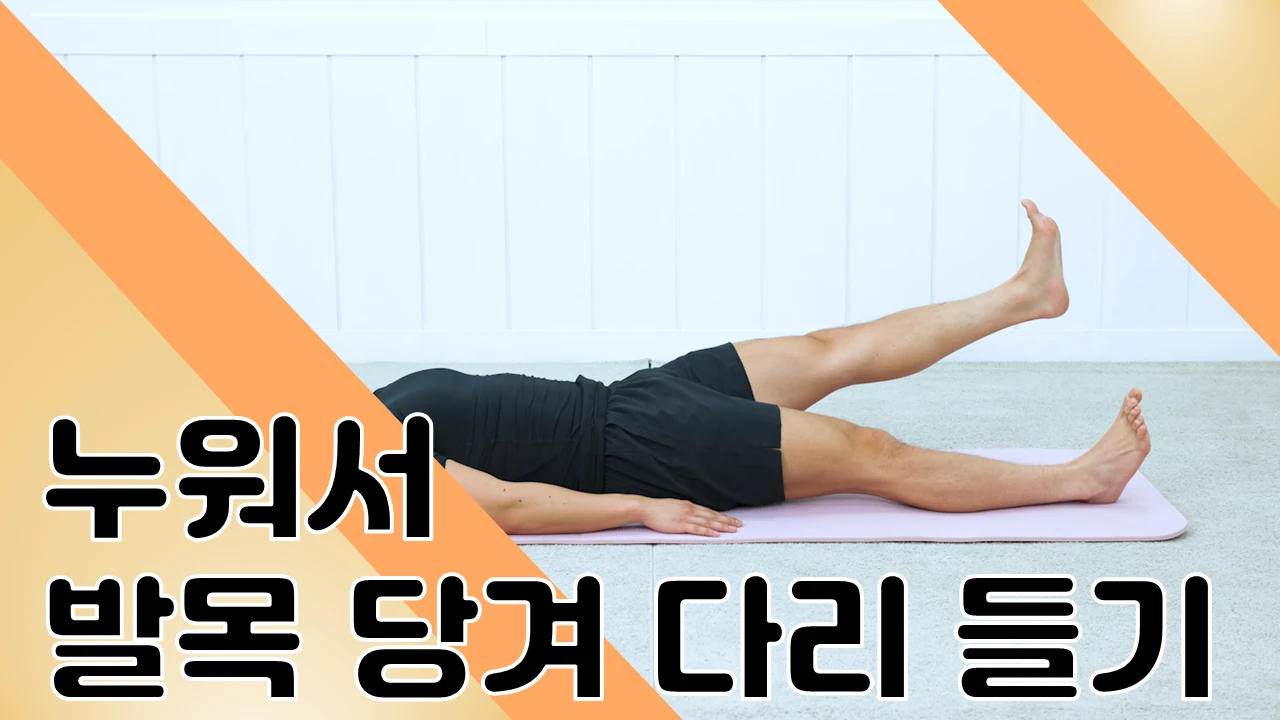 Strength Training for Arthritis: Rebuilding Thigh Strength
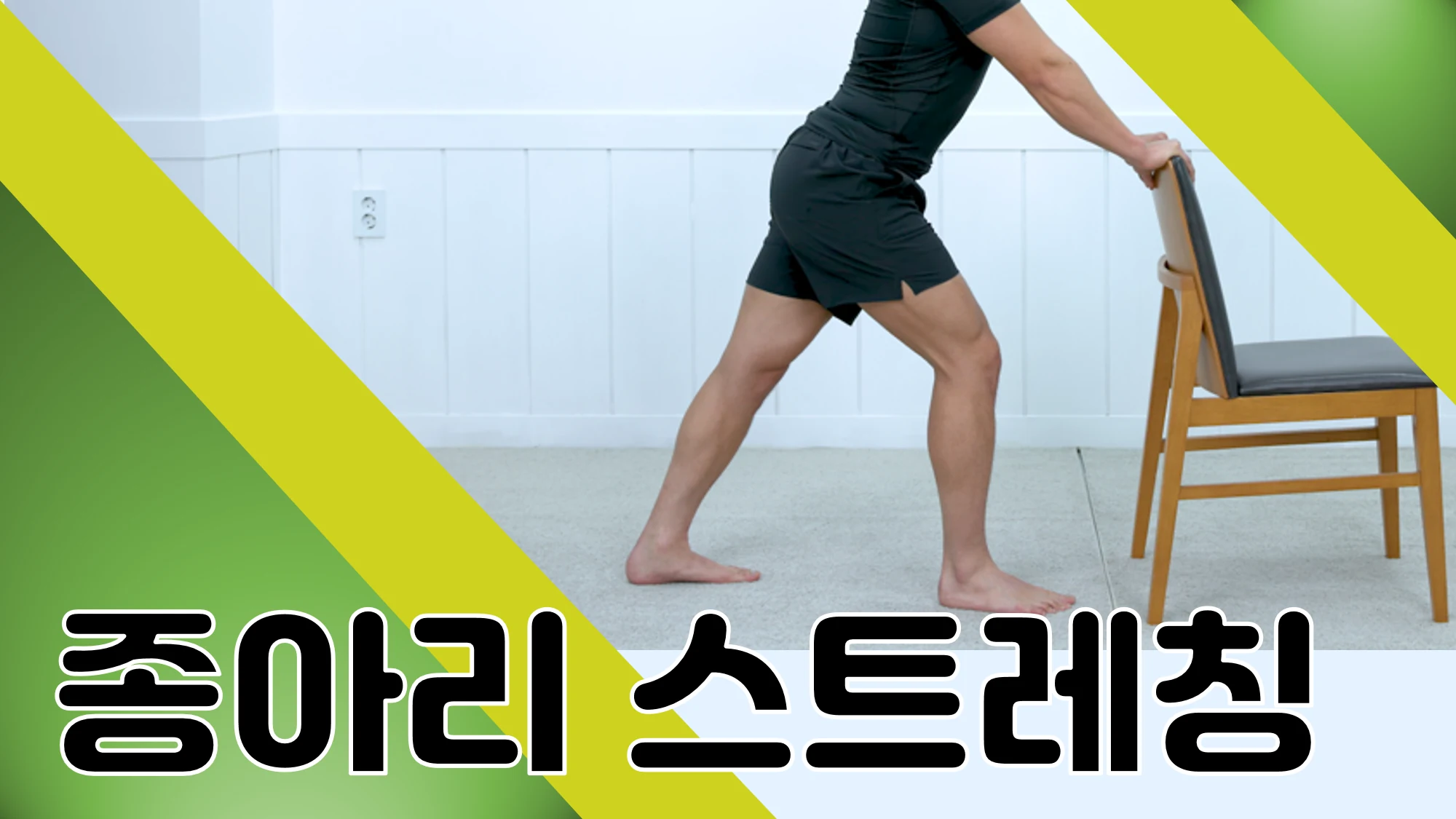 How to Stretch a Stiff Knee
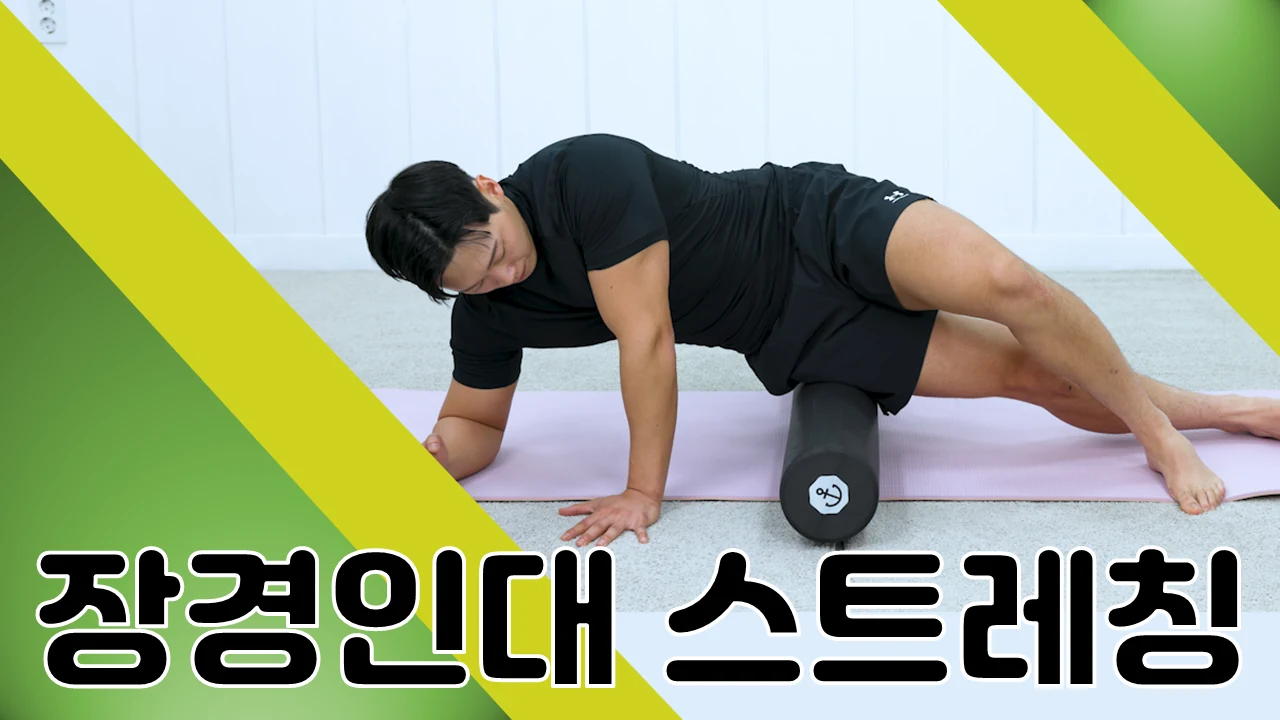 Outer Knee Pain: Is the Iliotibial Band Involved?
So, what do you think?
AAOS: Knee Conditioning ProgramBMJ 2025 · Comparison of exercise types from 217 testsJOSPT 2026 · Resistance movement strength; force methaneRecommendations for physical activity for adultsNICE · osteoarthritis therapeutic exerciseIt's general health information. Please check your symptoms and treatment plan at the clinic.
When to seek medical care
Each warning sign is a separate reason to seek care. Follow the action below if any one applies.
Emergency department · call 119 in Korea
- Call 119 for sudden breathlessness or chest pain, severe faintness or loss of consciousness. Do not wait for calf swelling to appear.
- Go to an emergency department if you suddenly cannot bear any weight, or if an injured knee swells rapidly or looks deformed. A cold or numb foot after injury also needs immediate assessment.
- Seek emergency care for a hot, swollen and severely painful joint with high fever, shaking chills, confusion or inability to bear weight.
- With back or leg pain, go immediately to an emergency department for new difficulty passing urine, loss of bladder or bowel control, or numbness around the genitals or anus. Severe or rapidly worsening weakness or numbness in both legs also needs immediate assessment.
Same-day assessment
- Arrange assessment today for a newly hot, swollen joint, sudden severe pain, or a knee locked so that it cannot fully straighten. Joint infection can occur without fever.
- Have new swelling or pain in one calf assessed today for a possible blood clot. Call 119 immediately if breathlessness or chest pain develops.
- Severe knee pain or a new limp in a growing adolescent may come from a hip condition such as slipped capital femoral epiphysis. Stop walking and sport and arrange assessment today. Go directly to emergency care if they cannot bear weight.
- Stop running and seek assessment today for new recurring groin pain, pain with walking or at night, or a limp. A femoral neck stress fracture needs to be considered. Keep weight off the painful leg until assessed. Go to emergency care if you cannot bear weight.
Book an outpatient appointment
- If none of the warning signs above is present, book an appointment for pain lasting a few weeks, repeated swelling or reduced daily activity and exercise.