After sitting, the knee may feel stiff until you move. Stretching can help practice movement around the knee, but stiffness differs from true locking. If an injury is followed by sudden locking or major swelling, seek an assessment rather than pulling to release it. The examples here cover basic calf, thigh, and hip stretches.
Watching the movements, reading.
This is how it moves.
The video's title of the rehab parking is a distinction between those educational series. The range and amount of exercise is adjusted according to your joint condition and whether or not you have surgery.
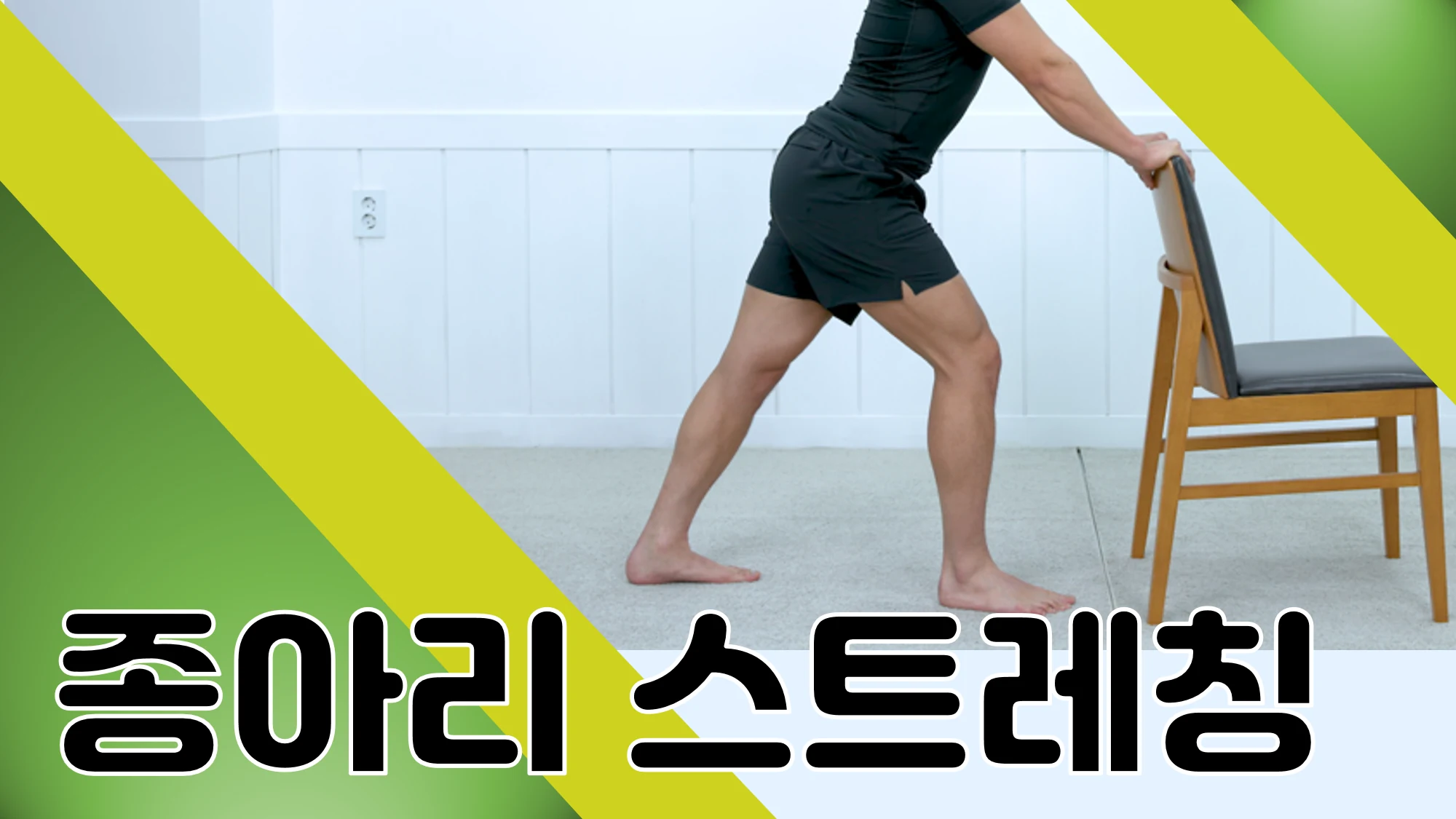
I'm going to pull the walls up.
One foot backwards, one heel behind the floor, and then you bend your front knee a little bit to look for the pull of the puppy.
원본 제작 자료의 동작 예시 화면 · Patient education and training materials (2022)
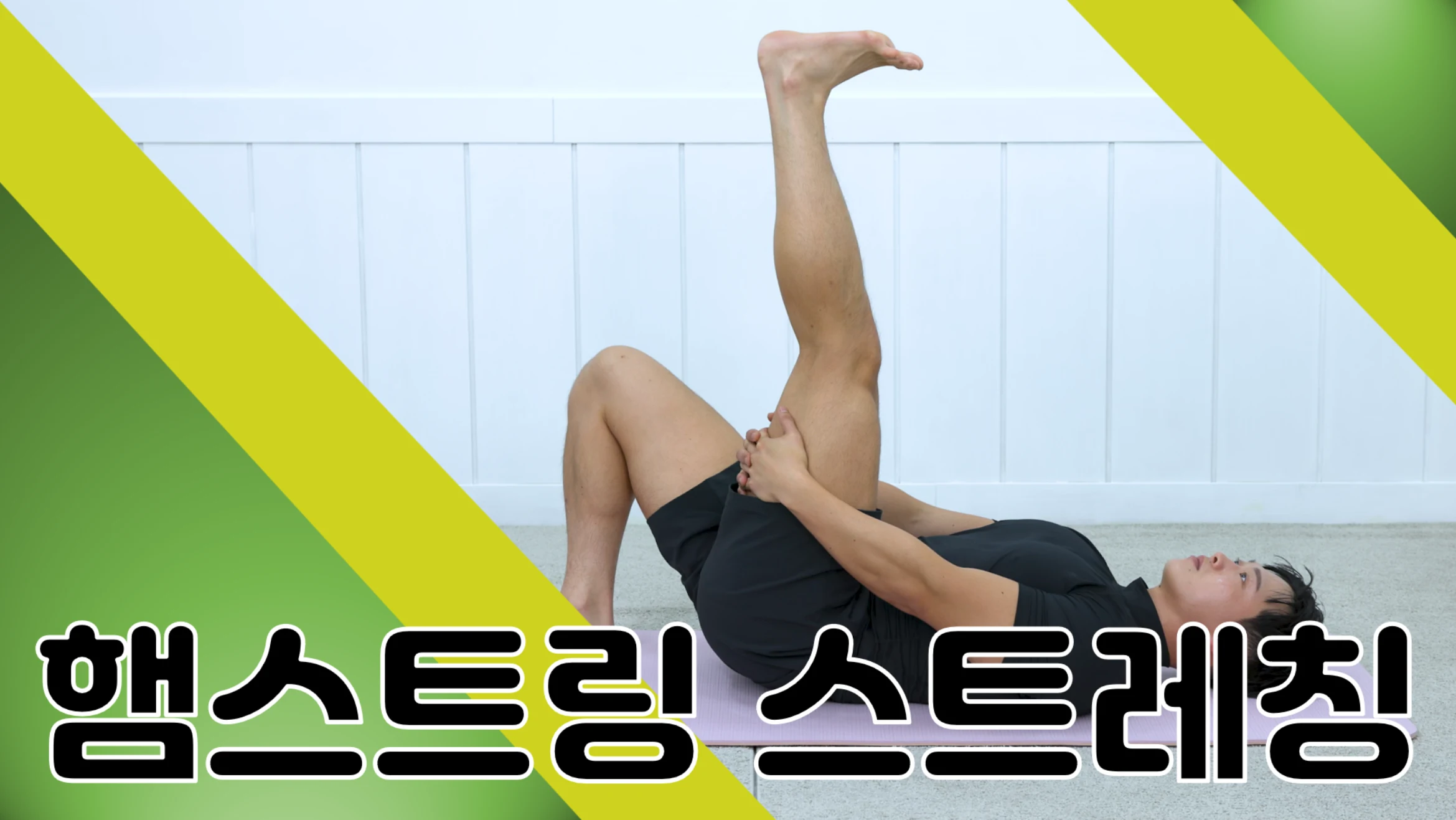
I'm gonna lie down and stretch my thighs.
You take the thighs of your raised legs, you stretch knee slowly, and then you look for the range that your leg is pulling.
원본 제작 자료의 동작 예시 화면 · Patient education and training materials (2022)
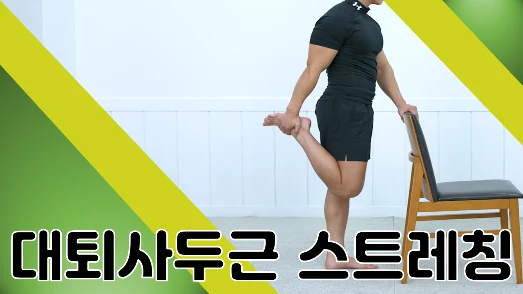
Hold the bracelet and extend the front thigh.
They hold a wall or a fixed chair, lift the ankle with their opposite hand and bend it slowly. It doesn't wet your back or pull the knee tightly.
원본 제작 자료의 동작 예시 화면 · Patient education and training materials (2022)
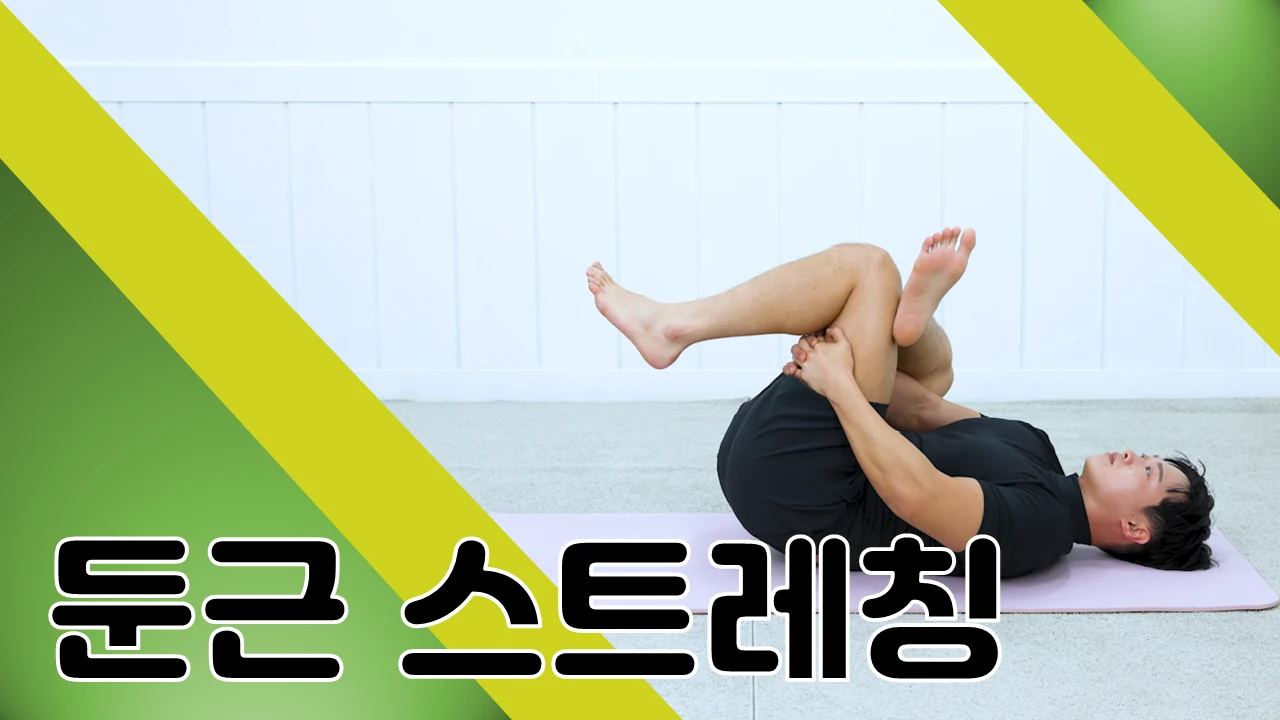
It's getting bigger around my ass.
You lie down, lift one ankle to the other leg and pull slowly with your lower leg. You can't push knee.
원본 제작 자료의 동작 예시 화면 · Patient education and training materials (2022)
Pulling harder is not the goal
Strengthening practices force; stretching explores muscle and tissue flexibility. Aim for a gentle stretch in your own range rather than copying a photo exactly. Warm up with light movement, breathe comfortably and avoid bouncing or enduring pain. Distinguish muscle stretch from sharp pain inside the joint to choose the range.
1. Supported calf stretch at a wall
Stand facing a wall with both hands supported and one leg behind. Keep the back heel down and slightly bend the front knee as you shift forward, seeking a gentle calf stretch. Avoid arching the back, raising the heel, or forcing the knee backwards into a lock. If supported standing is still unstable, ask for another position.
2. Supine hamstring stretch
Lie on your back, raise one leg, and support the thigh with your hands. Keeping it stable, slowly straighten the knee until the back of the thigh stretches gently. Avoid moving the pelvis and back for height or pressing hard behind the knee. A towel may help with guidance. Tingling or pain reaching the foot differs from a simple hamstring stretch.
3. Supported quadriceps stretch
Hold a wall or fixed chair with one hand and use the other to slowly bend the exercising leg by holding its ankle. Seek a front-thigh stretch without forcing the ankle to the buttock, arching the back, or rotating the pelvis. A towel or band may help, but balance comes first. Do not copy this position unchanged with front-knee pain or postoperative bending restrictions.
4. Supine hip and buttock stretch
Lie on your back and rest one ankle lightly on the opposite thigh. Support the lower thigh with both hands and gently bring it toward you to stretch the upper leg’s hip region. Do not force the knee outward. Repeat within comfort on the other side. Hip pain or postoperative hip restrictions require separate guidance.
Watch the Response before the Hold Time
Adjust demonstration positions and times to your joint. Notice side-to-side stiffness and how walking or straightening feels afterwards. Stretching complements strengthening and comfortable walking; it does not cure arthritis or repair torn ligaments. Reduce range with stabbing pain or tingling, and review persistent symptoms. Comfortable repetition is more sustainable than one forceful session.
How long should I hold, and how many times?
AAOS calf-stretch examples hold 30 seconds then rest 30 seconds; quadriceps examples hold 30–60 seconds and repeat 2–3 times. These are rehabilitation references, not universal OA targets. Warm up first and use a comfortable stretch, avoiding forced deep knee bending. Reassess sharp anterior/posterior knee pain. Stretching does not replace strengthening and aerobic activity.