Pain may lead you to shorten walks and avoid stairs, then find rising from a chair harder. Thigh, hip, and calf muscles help support the knee during standing and walking. Strengthening should begin with movements you can sustain tomorrow, rather than doing a lot today. We start with options using lying positions, a chair, and a wall.
Watching the movements, reading.
This is how it moves.
The video's title of the rehab parking is a distinction between those educational series. The range and amount of exercise is adjusted according to your joint condition and whether or not you have surgery.
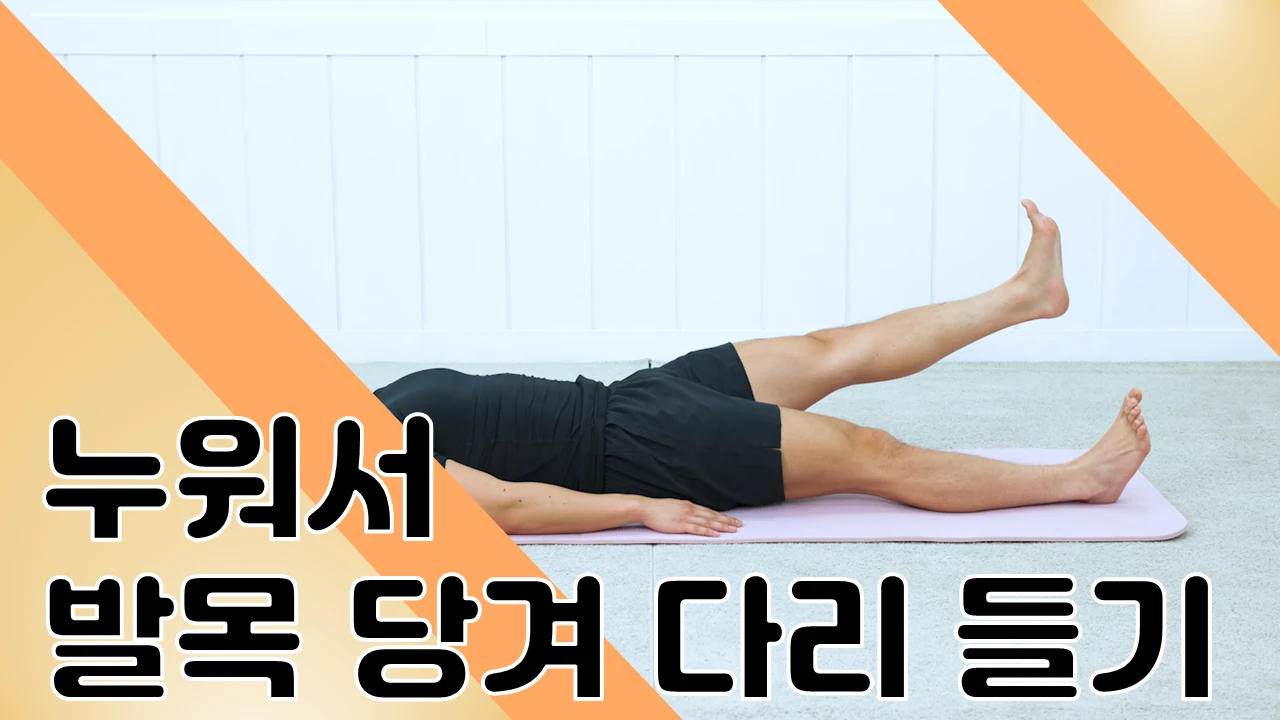
I'm lying down, pulling my ankles and lifting my legs.
You pull the knee up and down with your legs to your body, then you lift it up slowly, force it into your thighs. They don't use semiconductors or break their spine.
원본 제작 자료의 동작 예시 화면 · Patient education and training materials (2022)
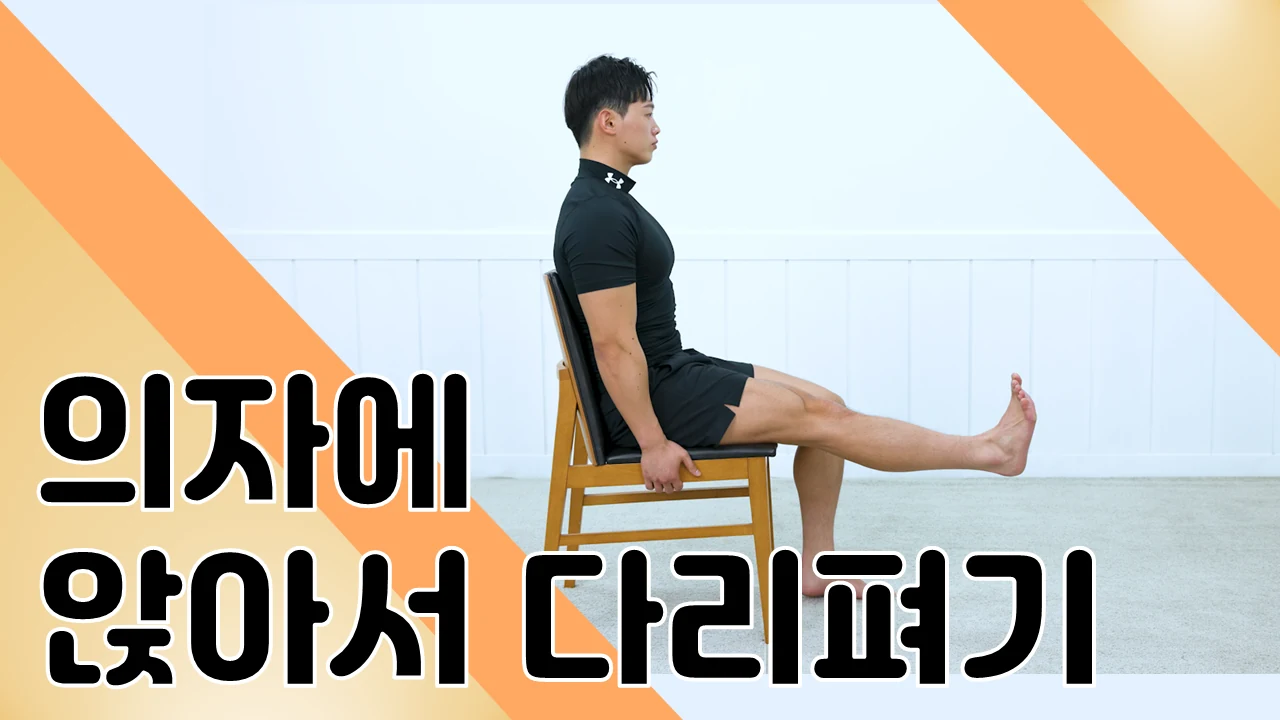
Sit in a chair and stretch your legs.
He sits in a stable chair, stretches out one side of knee slowly and comes down. If the front of knee is sick, it reduces its range from end to end.
원본 제작 자료의 동작 예시 화면 · Patient education and training materials (2022)
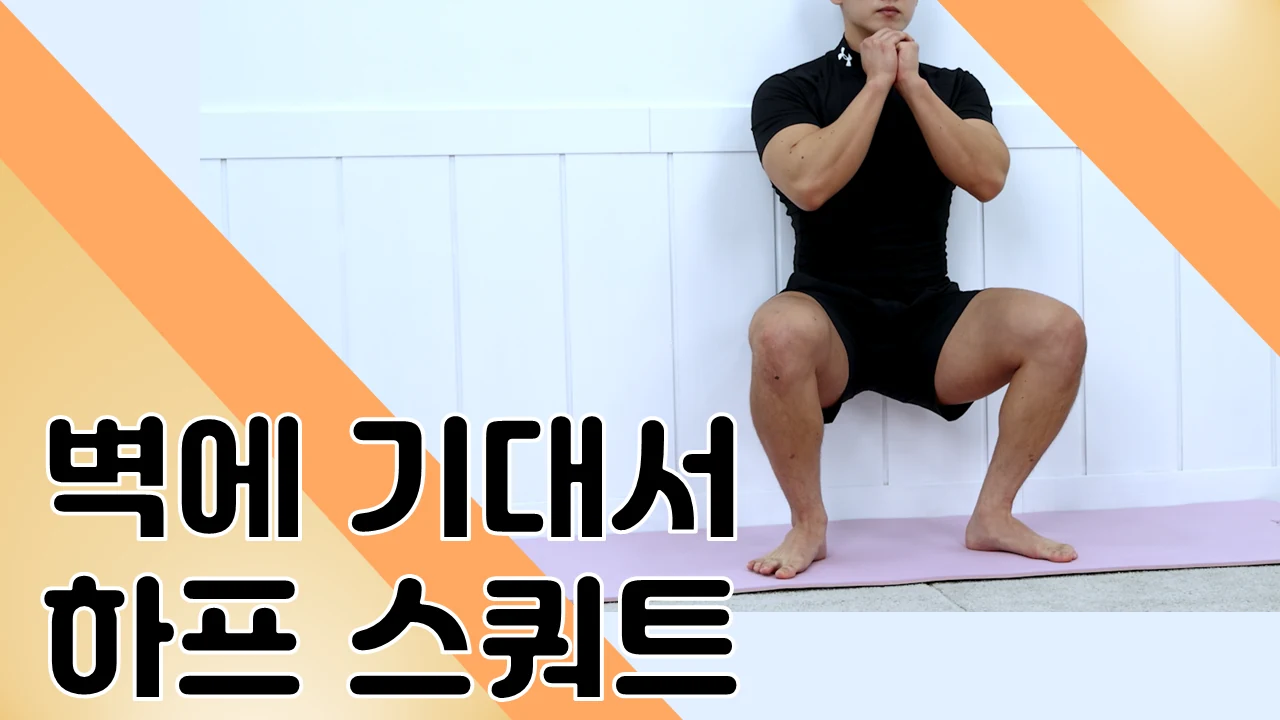
I leaned against the wall and sat down.
I lean my back against the wall, bend knee a little bit and stretch it out to give me strength in my thighs. It goes down to the limit of pain and it doesn't compete with depth.
원본 제작 자료의 동작 예시 화면 · Patient education and training materials (2022)
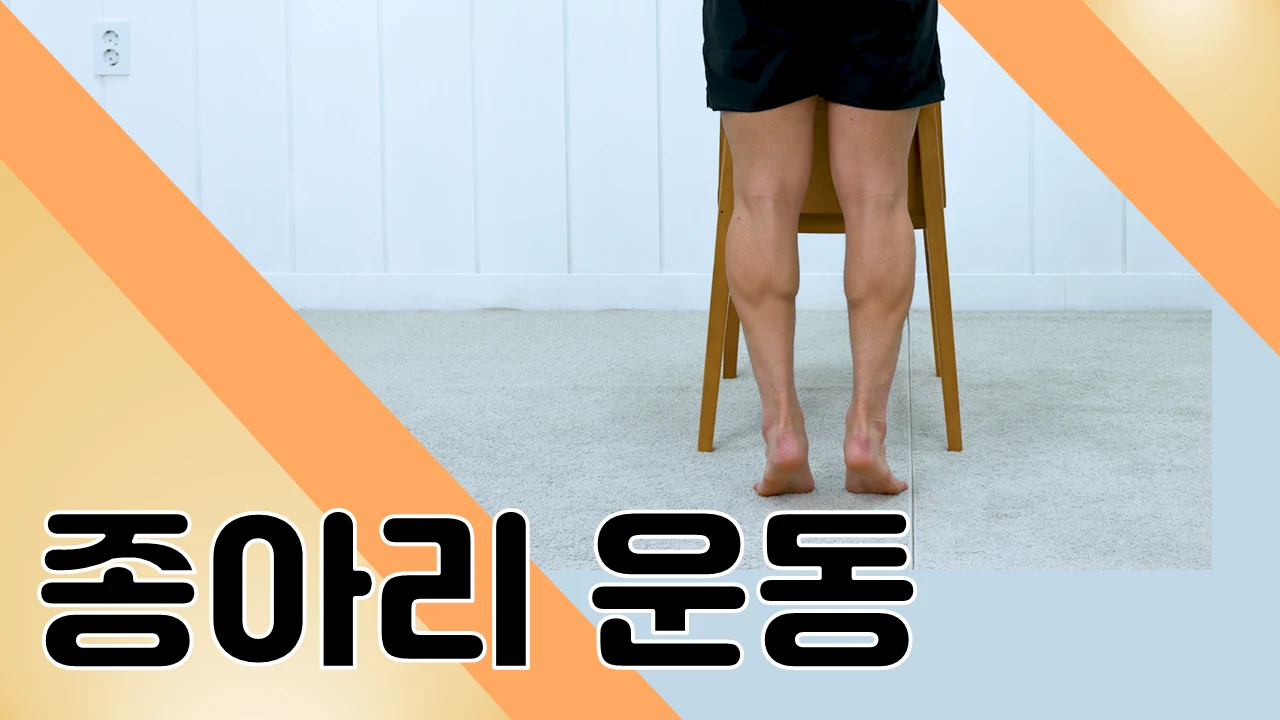
I'm going to grab a chair and turn around.
You grab a wall or a fixed chair and slowly lift both hips. They don't shake their bodies and create half-waves.
원본 제작 자료의 동작 예시 화면 · Patient education and training materials (2022)
What changes when muscles become stronger?
Strengthening cannot be promised to restore all worn cartilage. Stronger muscles help with walking and rising; prolonged rest can reduce that capacity. Choose a daily-life goal, such as rising with less hand support or feeling less tired after going out, rather than thigh size alone. Small gains help sustain exercise.
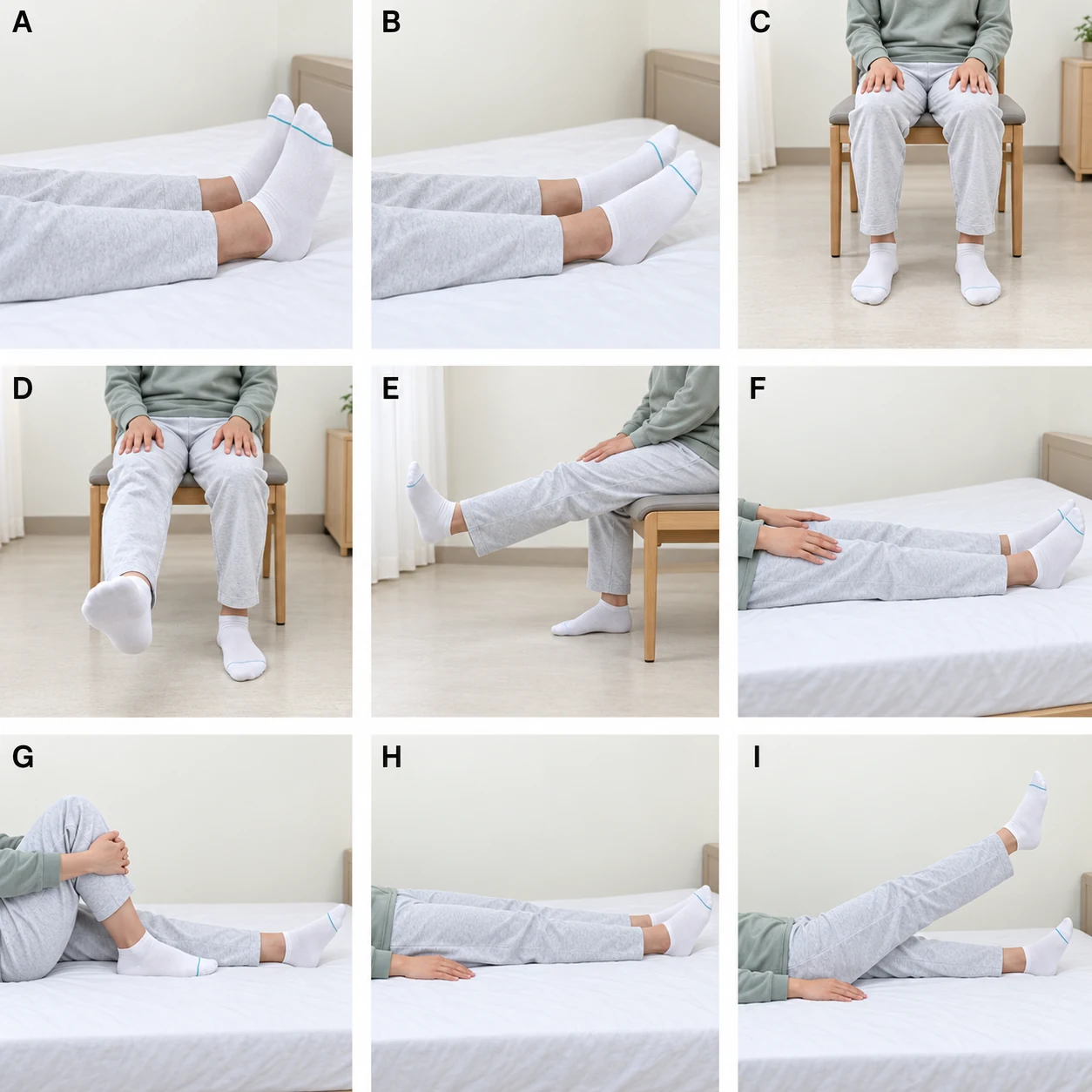
1. Straight-leg raise with the ankle flexed
Lie on your back with the exercising knee straight and pull the toes toward you. Tighten the front thigh, slowly raise the leg, and lower it with control. Avoid arching the back or swinging to gain height. If the knee bends or strength gives way, reduce height and amount. If getting off the floor is difficult, seek guidance for a stable bed or another suitable position.
2. Seated knee extension
Sit upright on a stable chair and slowly straighten one knee while tightening the front thigh. Control both lifting and lowering instead of kicking. With front-knee pain, full extension may be uncomfortable; do not repeatedly force that range. Once light movement is comfortable, discuss adding resistance. Ankle weights are not required at the start.
3. A shallow wall squat
With your back against a wall and feet comfortably apart, bend slightly then rise. Deep squatting is not the initial goal. Keep feet stable and knees from collapsing inward, lowering only within comfort. The demonstration is not your permitted depth. Meniscal injury, anterior pain or recent surgery requires separate advice on bending and loading.
4. Supported heel raises
Hold a wall or fixed chair and slowly raise both heels, then lower them. Push through the feet rather than swinging the body forward. Calf strength supports walking and balance; the hands provide stability. Avoid movable chairs and slippery floors. Single-leg raises require more load and balance, so do not progress immediately just because they look easy.
Adjust the Amount by the Knee’s Response
Not everyone should perform all four movements together or at the same repetition count. Choose according to current strength and painful areas. Breathe, and rest when form deteriorates. Mild initial discomfort differs from increasing sharp pain, swelling, or limping. Record movements and how the knee feels afterwards and the next day to help adjust a routine you can sustain.
An Example of Repetitions and a Weekly Plan
Warm up with 5–10 minutes of easy walking or cycling. Perform leg raises and seated knee extension slowly without momentum; an initial example is 1 comfortable set of 10, increasing to 2–3 sets if easy. AAOS materials describe 3 sets of 10 on 4–5 days weekly, and maintenance on 2–3 days after recovery. Adapt starting and maintenance amounts to symptoms, fitness and surgery. Do not sacrifice form or endure pain to finish repetitions.
Intensity and volume of isotonic resistance exercise
A 2026 JOSPT systematic review analysed 20 randomised trials involving 791 people with knee osteoarthritis. It examined the intensity and volume of isotonic resistance exercise, which moves a joint against resistance. Pain, function and strength may improve, but certainty of evidence was low to very low. This review did not compare isotonic with isometric exercise. The cumulative repetitions used in its dose-response analysis should not be turned into a weekly prescription for every patient. Adjust exercise to technique, pain, swelling and the following day’s response.
Can I exercise if I have knee osteoarthritis?
Yes. Therapeutic exercise tailored to your condition is recommended for knee osteoarthritis. Start with thigh-strengthening exercises and aerobic activities whose intensity you can adjust, such as walking or stationary cycling. Mild discomfort can occur at first, but a clear increase in pain or swelling means the amount or type of exercise needs to be adjusted.
A 2025 BMJ analysis reviewed 217 randomised trials with 15,684 participants. Exercise helped pain and function. Among the 40 studies reporting adverse events, no clear difference was found between exercise and control groups. However, only 18% of the studies reported safety outcomes, so the findings do not establish that every exercise is safe for everyone.