R.Du Hyun RoOrthopedics & Research
Text
Patient resourcesDaily activities and exercise

Daily activities and exercise

Outer Knee Pain: Is the Iliotibial Band Involved?

Three iliotibial-band stretches, adjustment of exercise load and the role of hip muscle strength.

At a glance

  • pain is not diagnosed by position alone. Other causes, such as arthritis or cartilage, can cause symptoms in similar locations.
  • The two organizations have different positions and roles. cruciate ligament damage and instability are evaluated separately, but they don't explain how this stretch can be repaired.

Outer-knee pain during walking or running may be called iliotibial-band pain, but not every pain there has that cause. Arthritis, meniscal problems, and other tendons or ligaments can cause similar symptoms. Identify the painful location and triggering activity before choosing an IT-band exercise. A movement is more useful when its purpose matches the cause.

Watching the movements, reading.

This is how it moves.
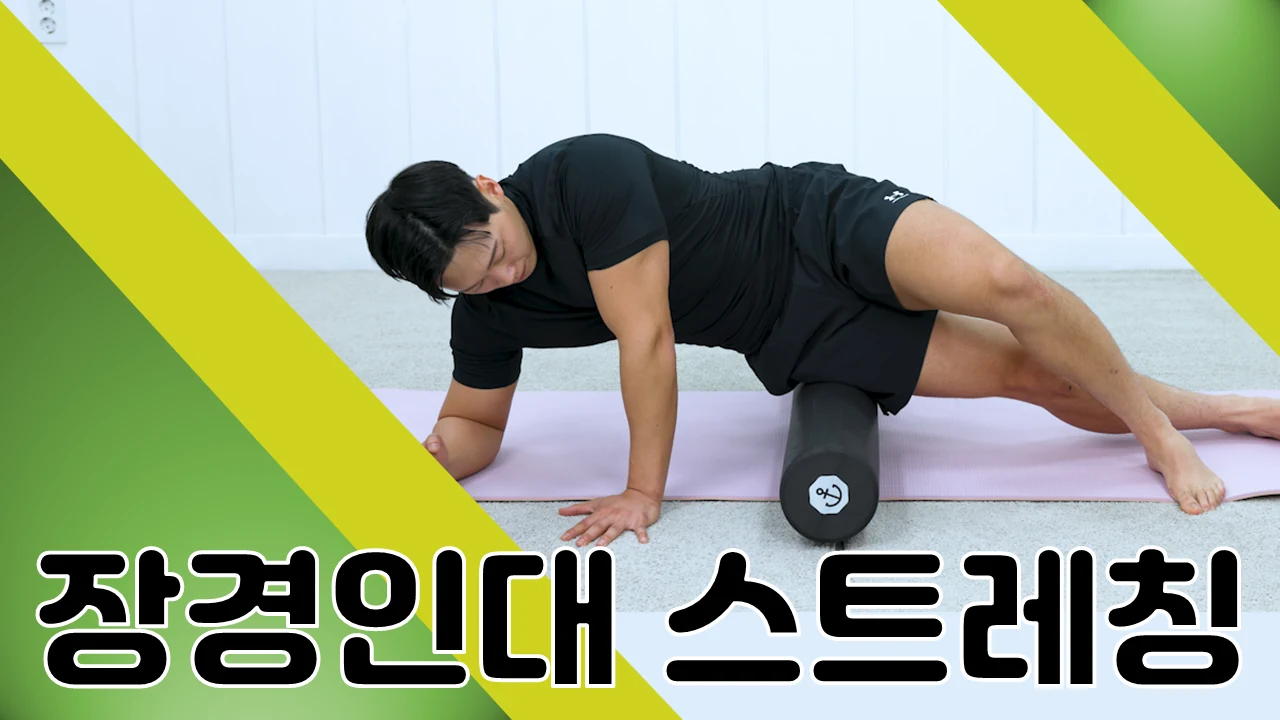
Formal motion model of the production material in 2022
01

It's a form roller that handles the surroundings gently.

He's holding his body with his arms and legs, adjusting the weight, moving his side thigh slowly. Do not press the sick knee directly outside.

원본 제작 자료의 동작 예시 화면 · Patient education and training materials (2022)

The iliotibial band is different from the cruciate ligaments

The iliotibial band is a thick strip from the lateral pelvis down the outer thigh to the knee. It differs in location and role from the cruciate ligaments inside the knee. Repeated running or cycling can irritate the outer knee. Review sudden increases in duration/distance and hills, and consider provoking activity and recovery together rather than one stretch alone.

1. Supine stretch for the outer thigh and buttock

Lie on your back, support the exercising thigh with both hands, and gently draw it diagonally across the body. Seek a mild stretch around the outer thigh and hip, without twisting the knee or pulling the foot far across. Excessive pelvic or back rotation may load the back instead. Breathe and release slowly; joint pain means reviewing direction and range.

2. Shift the pelvis gently toward a wall

Stand side-on with the exercising leg nearest a stable wall and use your hand for support. Cross that leg behind the other and gradually shift the pelvis toward the wall to feel the outer hip and thigh stretch. Avoid twisting or bending the trunk to make a bigger pose. If crossing the legs feels unstable or twists the knee, choose a supported lying alternative.

3. A foam roller is not for forceful pressure

For a foam roller, lie on your side supported by an elbow and the opposite leg, with the roller under the outer thigh. Use the supports to control pressure and move slowly from the outer hip along the thigh. This gently works surrounding tissues; it does not forcibly lengthen or break the band. Avoid pressing hard on the painful outer knee, and stop or change position if support is difficult or pain increases.

Check Hip Strength as Well as Flexibility

Hip muscles help control the leg when standing on one foot and walking. Exercises such as side-lying knee opening may therefore be included. Moving at the hip differs from rolling the whole pelvis and back to lift the leg. Choose exercises from actual movement and symptoms. Lots of stretching does not replace load adjustment and rebuilding strength.

What to Check before Returning to Your Usual Exercise

Temporarily reduce triggering activity while retaining comfortable movement. For running, record changes in distance, speed, and hills, then restart at a manageable level. Check pain afterwards and next day. Repeated swelling, locking, or giving way should not be dismissed as an IT-band problem. Brief relief after stretching is not proof the cause is resolved; review diagnosis and the exercise plan together.

Look beyond the Weekly Running Total

A 2025 observational study of 5,205 runners found higher overuse-injury rates after a single run increased substantially beyond the longest run in the preceding 30 days. It was not specific to IT-band pain, and 10% is not an individual safety boundary. Record recent longest distance, consecutive running days, and hills; assess repeated load, movement, and strength rather than relying only on rolling or stretching.

After surgery, follow rehabilitation guidance appropriate to the operation and recovery stage.

Du Hyun Ro’s exercise videos

Watch the movement,
start at your own pace.

Explore strength and stretching exercises for people with arthritis. Adjust the range of motion and exercise volume to your knee condition.

Watch the exercise collection on YouTube

Common Questions

Does pain on the outside of the knee mean iliotibial band syndrome?

pain is not diagnosed by position alone. Other causes, such as arthritis or cartilage, can cause symptoms in similar locations.

If you stretch iliotibial band, will the damage to cruciate ligament improve?

The two organizations have different positions and roles. cruciate ligament damage and instability are evaluated separately, but they don't explain how this stretch can be repaired.

The harder the roller is, the harder it's going to be?

You don't have to push hard on the diseased area. They're able to adjust their weight with supporting arms and legs, and when pain grows, they choose a different approach.

Read more

AAOS OrthoInfo · Iliotibial Band (IT Band) SyndromeAAOS OrthoInfo · Hip Conditioning ProgramAAOS OrthoInfo · Knee Conditioning ProgramBritish Journal of Sports Medicine · How much running is too much? Identifying high-risk running sessions in a 5200-person cohort study (2025)

When to seek medical care

Each warning sign is a separate reason to seek care. Follow the action below if any one applies.

Emergency department · call 119 in Korea

  • Call 119 for sudden breathlessness or chest pain, severe faintness or loss of consciousness. Do not wait for calf swelling to appear.
  • Go to an emergency department if you suddenly cannot bear any weight, or if an injured knee swells rapidly or looks deformed. A cold or numb foot after injury also needs immediate assessment.
  • Seek emergency care for a hot, swollen and severely painful joint with high fever, shaking chills, confusion or inability to bear weight.
  • With back or leg pain, go immediately to an emergency department for new difficulty passing urine, loss of bladder or bowel control, or numbness around the genitals or anus. Severe or rapidly worsening weakness or numbness in both legs also needs immediate assessment.

Same-day assessment

  • Arrange assessment today for a newly hot, swollen joint, sudden severe pain, or a knee locked so that it cannot fully straighten. Joint infection can occur without fever.
  • Have new swelling or pain in one calf assessed today for a possible blood clot. Call 119 immediately if breathlessness or chest pain develops.
  • Severe knee pain or a new limp in a growing adolescent may come from a hip condition such as slipped capital femoral epiphysis. Stop walking and sport and arrange assessment today. Go directly to emergency care if they cannot bear weight.
  • Stop running and seek assessment today for new recurring groin pain, pain with walking or at night, or a limp. A femoral neck stress fracture needs to be considered. Keep weight off the painful leg until assessed. Go to emergency care if you cannot bear weight.

Book an outpatient appointment

  • If none of the warning signs above is present, book an appointment for pain lasting a few weeks, repeated swelling or reduced daily activity and exercise.