Preparing for surgery and recovery
What anaesthetic options are available for knee surgery?
Plan comfort during surgery alongside pain relief and safe movement afterwards.
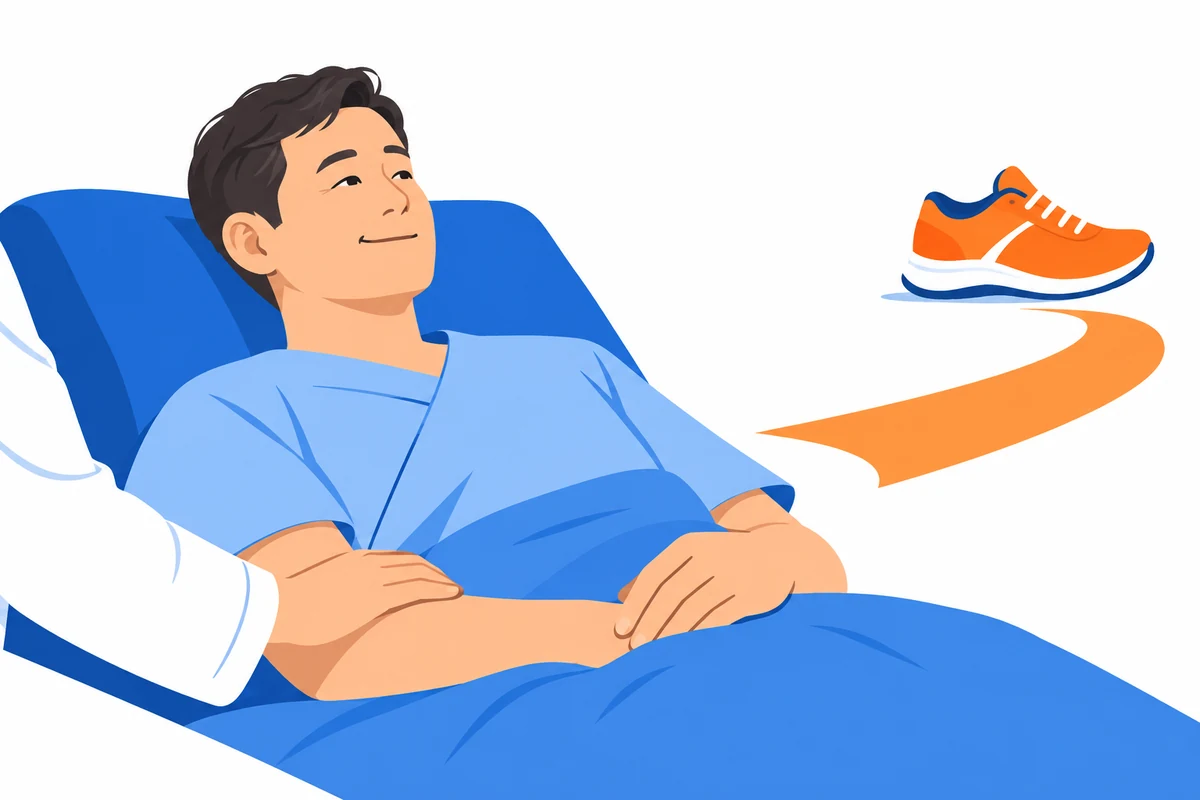
At a glance
- Match anaesthesia to your health and operation.
- Plan pain relief together with safe movement.
- Describe previous anaesthetic problems and all medicines.
Anaesthesia is more than a way to make someone sleep. Methods that prevent pain during surgery can be combined with methods that reduce postoperative pain. Heart and lung health, medicines, previous anaesthetic experiences and the operation itself help the anaesthesia team choose an individual plan.
Connect anaesthesia with recovery
- 01
Before surgery
Review health, medicines and prior experience
- 02
During surgery
Combine anaesthesia and pain-control methods
- 03
In recovery
Check breathing, sensation and strength before moving
A sequence linking preoperative assessment, surgical anaesthesia and recovery monitoring
The usual plan combines spinal anesthesia and an adductor canal block
For my knee replacement patients at Seoul National University Hospital, the usual plan combines spinal anesthesia with an adductor canal block (ACB).
Spinal anesthesia numbs the lower body through an injection in the lower back. An adductor canal block places anesthetic near nerves on the inner side of the thigh that carry pain signals from the knee. The anesthesiology team confirms the individual plan after reviewing test results and medicines.
General and spinal anaesthesia do different things
General anaesthesia produces temporary unconsciousness while the team manages breathing and circulation. Spinal anaesthesia blocks lower-body sensation through an injection in the lower back. Sedation can also be used with a spinal anaesthetic.
Neither method is safest for every patient. Previous spinal surgery, blood-thinning medicines, cardiopulmonary disease and test results affect suitability. Ask why a method is recommended and when the plan might need to change.
A nerve block forms part of the recovery plan
A peripheral nerve block places local anaesthetic near nerves carrying pain signals from the knee. It can accompany general or spinal anaesthesia and may be combined with injections around the joint and different pain medicines.
The aim is to make safe movement and rehabilitation more manageable. Temporary changes in sensation or strength mean that your first attempt to stand needs guidance and assistance. A block does not make unsupervised walking automatically safe.
Explain previous difficulties
Report severe nausea, breathing problems, medicine allergies or a difficult airway during earlier anaesthesia. Mention sleep apnoea, use of a CPAP device, loose teeth and dentures. Discuss anxiety and your preference about being asleep.
Bring a medication and supplement list and check fasting and medication instructions. Discuss risks in the context of your own conditions. The team’s equipment and experience also matter; another patient’s experience is not an individual anaesthetic plan.
Observation continues in recovery
The team monitors breathing, blood pressure, nausea, pain and the return of leg sensation and movement. Report severe dizziness, breathlessness or unexpected persistent sensory changes promptly. Enduring uncontrolled pain is not the goal.
Before discharge, clarify the home pain plan and what to do about side effects. Do not drive or perform hazardous tasks while taking medicines that impair alertness. Uncontrolled pain needs reassessment rather than a self-directed dose increase.
Common Questions
Will I be awake throughout spinal anaesthesia?
Sedation may be added. Discuss the planned level of awareness and comfort beforehand.
Does a nerve block remove all pain?
It can reduce pain, but responses vary and the effect changes over time. Other pain treatments may still be needed.
Can I walk while my leg feels numb?
Start with assistance after the team checks sensation and strength. Follow fall-prevention instructions.
Evidence and references
01When to seek medical care
Each warning sign is a separate reason to seek care. Follow the action below if any one applies.
Emergency department · call 119 in Korea
- Call 119 for sudden breathlessness or chest pain, severe faintness or loss of consciousness. Do not wait for calf swelling to appear.
- Go to an emergency department if you suddenly cannot bear any weight, or if an injured knee swells rapidly or looks deformed. A cold or numb foot after injury also needs immediate assessment.
- Seek emergency care for a hot, swollen and severely painful joint with high fever, shaking chills, confusion or inability to bear weight.
- With back or leg pain, go immediately to an emergency department for new difficulty passing urine, loss of bladder or bowel control, or numbness around the genitals or anus. Severe or rapidly worsening weakness or numbness in both legs also needs immediate assessment.
Same-day assessment
- Arrange assessment today for a newly hot, swollen joint, sudden severe pain, or a knee locked so that it cannot fully straighten. Joint infection can occur without fever.
- Have new swelling or pain in one calf assessed today for a possible blood clot. Call 119 immediately if breathlessness or chest pain develops.
- Severe knee pain or a new limp in a growing adolescent may come from a hip condition such as slipped capital femoral epiphysis. Stop walking and sport and arrange assessment today. Go directly to emergency care if they cannot bear weight.
- Stop running and seek assessment today for new recurring groin pain, pain with walking or at night, or a limp. A femoral neck stress fracture needs to be considered. Keep weight off the painful leg until assessed. Go to emergency care if you cannot bear weight.
Book an outpatient appointment
- If none of the warning signs above is present, book an appointment for pain lasting a few weeks, repeated swelling or reduced daily activity and exercise.