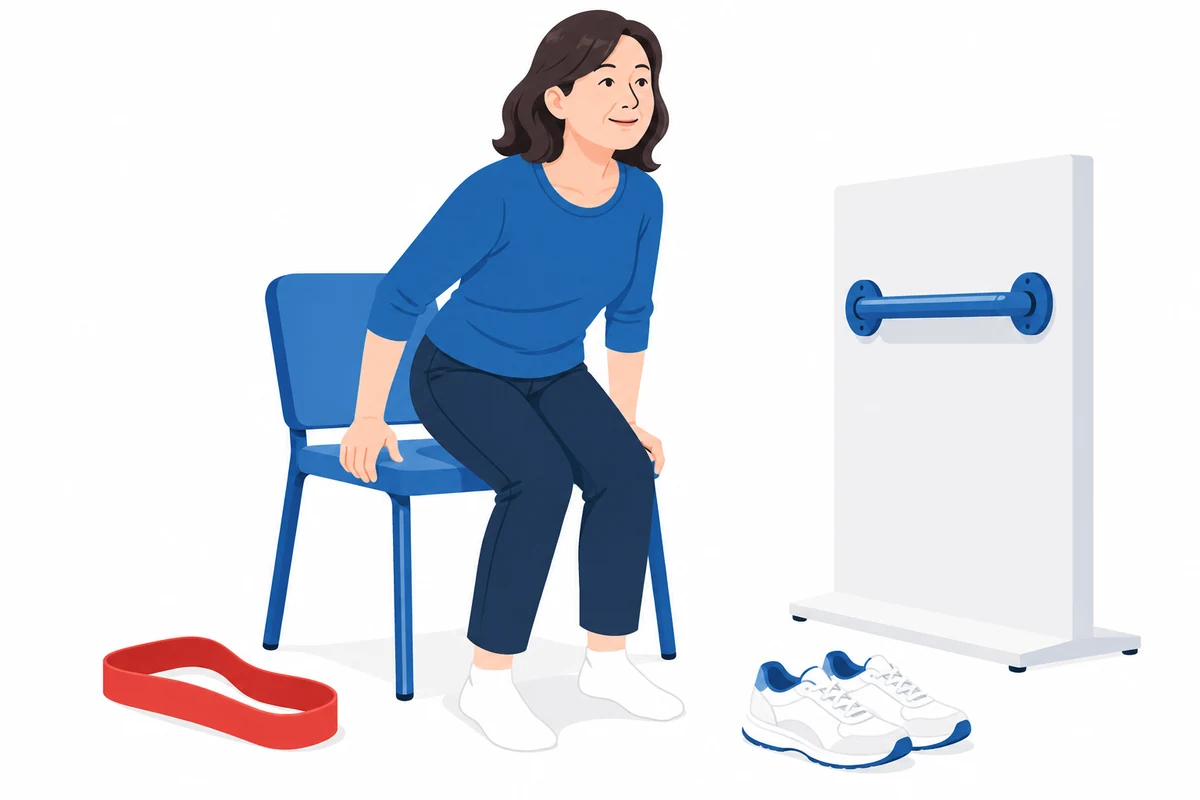
For my knee replacement patients at Seoul National University Hospital, I usually explain the pathway below. Planning ahead for preparation, rehabilitation after discharge, and follow-up helps you understand what to expect and arrange the support you need.
About one month before surgery, we review your health and medicines
Testing usually takes place about one month before surgery to check whether you are fit for the operation. Bring a list of your regular medicines, injections, and supplements.
Any medicines that need to be adjusted or stopped are discussed individually, taking into account why you take them and the anesthesia plan. Confirm the last dose before surgery and when to restart with the surgical team.
The usual plan combines spinal anesthesia and an adductor canal block
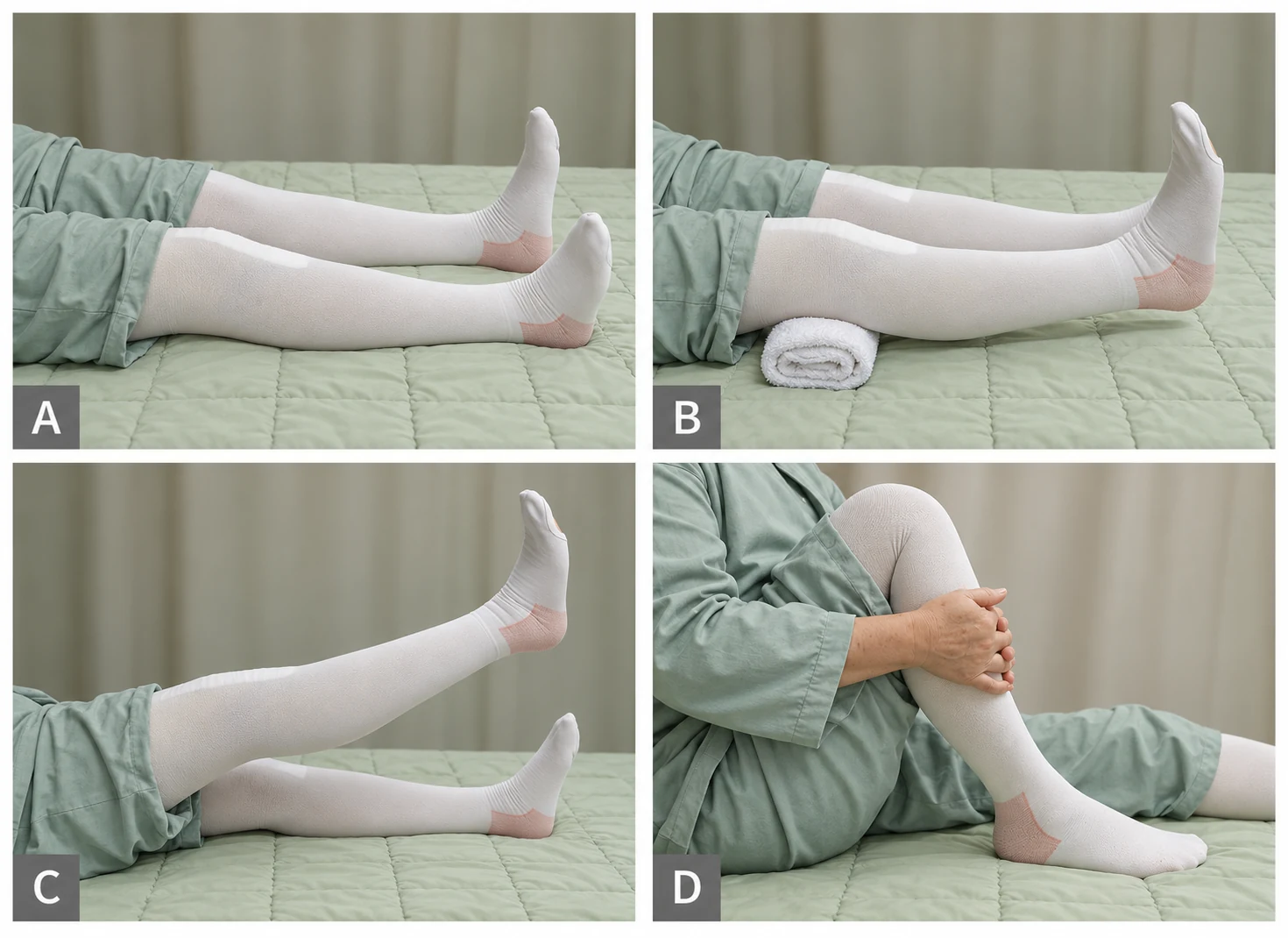
For my knee replacement patients at Seoul National University Hospital, the usual plan combines spinal anesthesia with an adductor canal block (ACB).
Spinal anesthesia numbs the lower body through an injection in the lower back. An adductor canal block places anesthetic near nerves on the inner side of the thigh that carry pain signals from the knee. The anesthesiology team confirms the individual plan after reviewing test results and medicines.
Admission is usually the day before surgery; walking starts the day after
You are usually admitted the day before surgery. After the operation, walking starts on the first postoperative day with guidance from the care team.
Discharge is usually on the fifth day after surgery. This is counted from the operation, not from admission. Your discharge date may change according to your health and recovery.
Continue rehabilitation after discharge and return about one month after surgery
After discharge, you continue exercises at home or transfer to another hospital for exercise-based rehabilitation. Your home setting and available support help determine where recovery is most practical.
You return to the outpatient clinic about one month after surgery for blood tests and X-rays to assess recovery. Tell us about changes in walking, knee movement, pain, swelling, and everyday activities.
Is recovery complete once I can walk?
Starting to walk is an important milestone, but rehabilitation also restores bending and straightening, thigh strength, and balance. Exercise type and amount depend on stage and condition. Walking aids can support the body and reduce falls. Another patient’s early independence is not your deadline; confirm safe walking with the team before progressing.
What should I change at home first?
Clear cables, small objects, and slippery rugs from usual routes and arrange lighting for night movement. Check support around the toilet, bed, and chair, and discuss stairs. Early help may be needed for meals, shopping, and visits. Divide support into specific tasks such as transport and checking medicines. If living alone, make the plan with the team before discharge.
Can I take extra medicine when pain increases?
At discharge, check each medicine’s purpose, dose and duration; pain relief and thrombosis prevention have different roles. Do not stop all medicines when pain improves or add unprescribed analgesics. For a lost or extra dose, check the name and timing and ask a clinician or pharmacist. Report supplements and usual medicines; online general information cannot set your personal maximum dose.
Keep the wound clean and dry
Keep the surgical wound clean and dry, and change the dressing only as directed by the surgical team. Before discharge, confirm when you can start showering and bathing.
Contact the surgical team promptly if redness spreads around the wound or new drainage develops. Do not rub an open wound or skin that has not healed.
Start scar massage only after the wound has fully healed
Begin scar massage only once the wound is fully closed and healed and your care team has approved it. Do not massage skin that has not healed or a wound with drainage.
After your care team shows you the technique, you can use a hypoallergenic moisturizer and gently stroke the scar or massage with small circles. Avoid deep pressure over numb skin. The timing and technique should suit the condition of the wound.
If your calf develops new swelling, warmth, or pain, seek same-day medical assessment rather than trying to massage it away. Sudden breathlessness or chest pain requires emergency care; in Korea, call 119.
Which changes need prompt medical review?
New calf pain/swelling needs assessment for causes such as thrombosis. Sudden breathlessness or chest pain requires immediate emergency care. Severe pain or inability to bear weight after a fall also warrants assessment. Report symptoms and onset rather than diagnosing at home. Before discharge, confirm contacts and care options for nights and holidays.
What activities can you expect after recovery?
Recovery speed and the range of possible activities vary, but activity generally improves compared with before surgery. Brisk walking and light hiking can be achievable after recovery.
Even after the same operation, preoperative fitness, knee condition, and recovery differ. Rather than aiming for the same activity on a fixed date, increase the type and amount of exercise as your recovery allows.
When can I return to work and exercise?
Return timing depends on work demands, preoperative activity/strength and recovery. Desk work differs from lifting or stairs. Driving requires checking medicines, leg control and safe reactions as well as pain. Continue prescribed rehabilitation and discuss new activities. Track sleep, walking and daily improvements rather than a fixed “fully recovered” date; report difficulties so the plan can change.
Driving readiness is assessed from 6 weeks after total replacement and 3 weeks after partial replacement
The UK NHS advises waiting at least 6 weeks after total knee replacement or at least 3 weeks after partial knee replacement, then checking with your doctor that you are fit to drive. In Korea, agree on the timing with your treating team based on the operated side, your vehicle, and your recovery.
You should be able to press the brake quickly and firmly without pain or hesitation, get into and out of the car safely, and maintain a comfortable driving position. Postpone driving if you are taking pain medicine that causes drowsiness or impairs judgement. Start with short journeys and check the terms of your insurance coverage.