R.Du Hyun RoOrthopedics & Research
Text
Patient resourcesDisease and Treatment

Disease and Treatment

Why Balance Both Bone and Ligaments in Knee Replacement?

surgery is not just about putting metal in it. They check stability together when bending and unfolding.

Why Balance Both Bone and Ligaments in Knee Replacement?

At a glance

  • We also need to work together to ensure the stability of plastic and parts from multiple angles.
  • Changes in thickness affect joint space and movement. It's not necessarily thick.

The balance you see together in joint replacement

  1. 01
    Bones and a plan of alignment
  2. 02
    Check the status of the crew.
  3. 03
    Curving and stability
  4. 04
    gait·muscle strength is recovering

It's also an explanatory tool to help patients make choices. It's not a substitute for an individual's diagnosis or treatment.

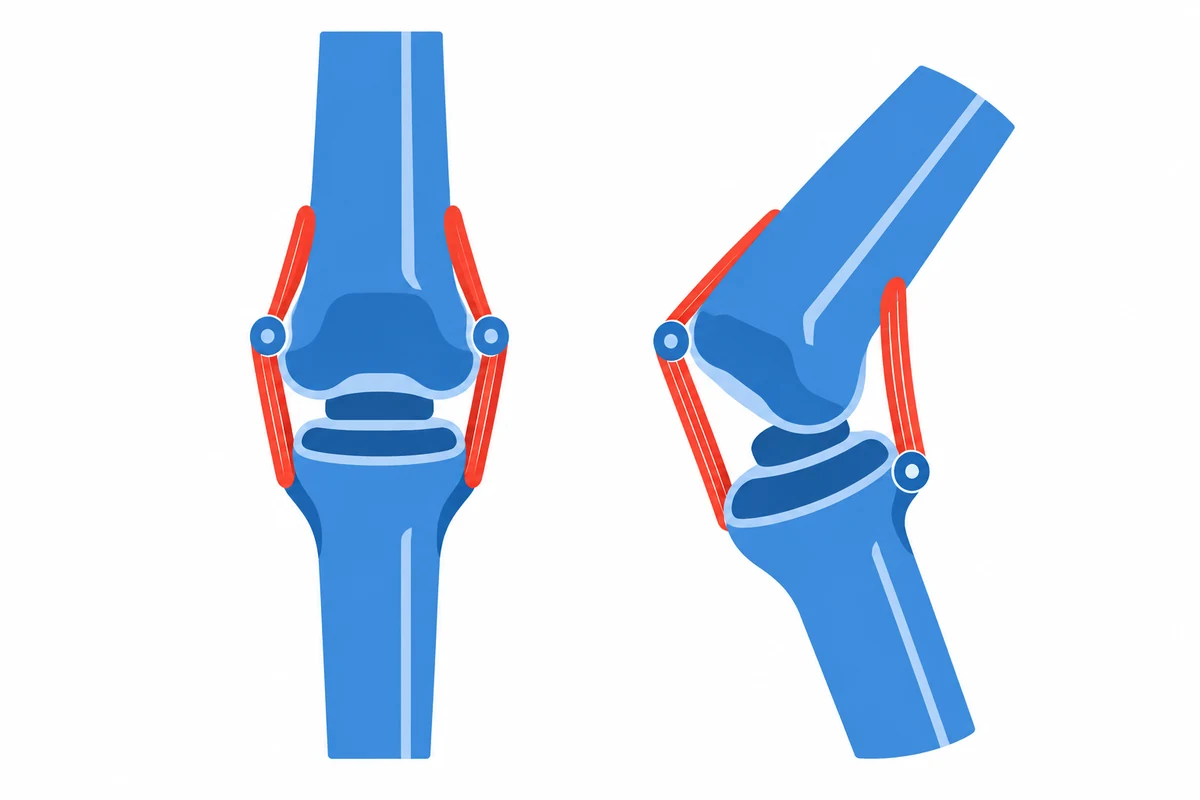
Knee replacement is more than removing worn surfaces and inserting new parts. Surgeons assess bone preparation, implant position and how retained ligaments support the knee. Comfortable bending and stable weight-bearing must be achieved together. Understanding “balancing” makes the surgical plan easier to discuss.

Does the knee move only like a hinge?

During bending and straightening, bones roll, slide and rotate. Ligament tension changes with angle, and surfaces and muscles contribute. Longstanding arthritis can alter bone shape, alignment and surrounding tissue tension. Preoperative motion assessment informs both planning and postoperative recovery goals.

Does reshaping bone change ligament tension?

Making space for implants changes the tension of remaining tissues. Bone-cut positions and angles and component size affect forces and gaps, so resection and ligament balancing are linked. Surgeons examine spaces and stability in extension and flexion. Good alignment on a static image does not explain every condition during movement.

What does a balanced gap mean?

The plastic insert and surrounding ligaments support the knee together. Excessive tightness can limit movement; looseness can reduce stability. Conditions vary through bending angles. Simply choosing a thicker insert or removing more bone cannot solve every problem; consider how each change affects other positions too.

What is the difference between retaining and substituting a ligament?

Some implant designs use PCL function; others substitute for part of it through component geometry. Selection depends on ligament function and deformity. Ask which ligament is used and why a design fits your knee. No design is universally best, and intraoperative findings may change the initial plan.

Do robots or sensors decide the entire balance?

Planning and measurement technology improves access to information. Interpreting it toward a target requires deformity, tissue and operative context. Identical angles or numbers do not always yield identical outcomes. Ask what is measured and how it affects your plan, and discuss precision together with rehabilitation of strength and gait.

What goals should we discuss before surgery?

Pain relief, full extension and stable walking/stairs are connected but separate goals. Describe difficult movements and hoped-for activities. Understanding planned alignment, ligaments and component choice helps explain surgery. Report when giving way or weakness occurs. Balancing bone, implants and ligaments must be followed by strength recovery to make the knee useful in daily life.

Common Questions

If we just fit the angles of the bones, is surgery over?

We also need to work together to ensure the stability of plastic and parts from multiple angles.

Is it more stable when you put thick plastic in?

Changes in thickness affect joint space and movement. It's not necessarily thick.

Which is better, conservation and replacement?

We choose based on the transition and transformation, surgery. We can't say that the same design is superior to everyone.

Read more

AAOS OrthoInfo · Knee Replacement ImplantsAAOS OrthoInfo · Total Knee Replacement

When to seek medical care

Each warning sign is a separate reason to seek care. Follow the action below if any one applies.

Emergency department · call 119 in Korea

  • Call 119 for sudden breathlessness or chest pain, severe faintness or loss of consciousness. Do not wait for calf swelling to appear.
  • Go to an emergency department if you suddenly cannot bear any weight, or if an injured knee swells rapidly or looks deformed. A cold or numb foot after injury also needs immediate assessment.
  • Seek emergency care for a hot, swollen and severely painful joint with high fever, shaking chills, confusion or inability to bear weight.
  • With back or leg pain, go immediately to an emergency department for new difficulty passing urine, loss of bladder or bowel control, or numbness around the genitals or anus. Severe or rapidly worsening weakness or numbness in both legs also needs immediate assessment.

Same-day assessment

  • Arrange assessment today for a newly hot, swollen joint, sudden severe pain, or a knee locked so that it cannot fully straighten. Joint infection can occur without fever.
  • Have new swelling or pain in one calf assessed today for a possible blood clot. Call 119 immediately if breathlessness or chest pain develops.
  • Severe knee pain or a new limp in a growing adolescent may come from a hip condition such as slipped capital femoral epiphysis. Stop walking and sport and arrange assessment today. Go directly to emergency care if they cannot bear weight.
  • Stop running and seek assessment today for new recurring groin pain, pain with walking or at night, or a limp. A femoral neck stress fracture needs to be considered. Keep weight off the painful leg until assessed. Go to emergency care if you cannot bear weight.

Book an outpatient appointment

  • If none of the warning signs above is present, book an appointment for pain lasting a few weeks, repeated swelling or reduced daily activity and exercise.