
“Am I too young?” and “Should I operate before it worsens?” are common questions. Age and images matter, but so do recent losses in daily activity and persistent symptoms after other treatment. Before choosing a date, a surgical consultation should identify the activities you want surgery to change.
Does knee replacement replace the entire knee?
Knee replacement prepares damaged articular surfaces and some underlying bone, replacing surfaces with metal and medical plastic—not the entire leg. The goal is pain relief and better function. Depending on damage, partial, total or other surgery may be considered. Ask what is recommended and why, using your own images.
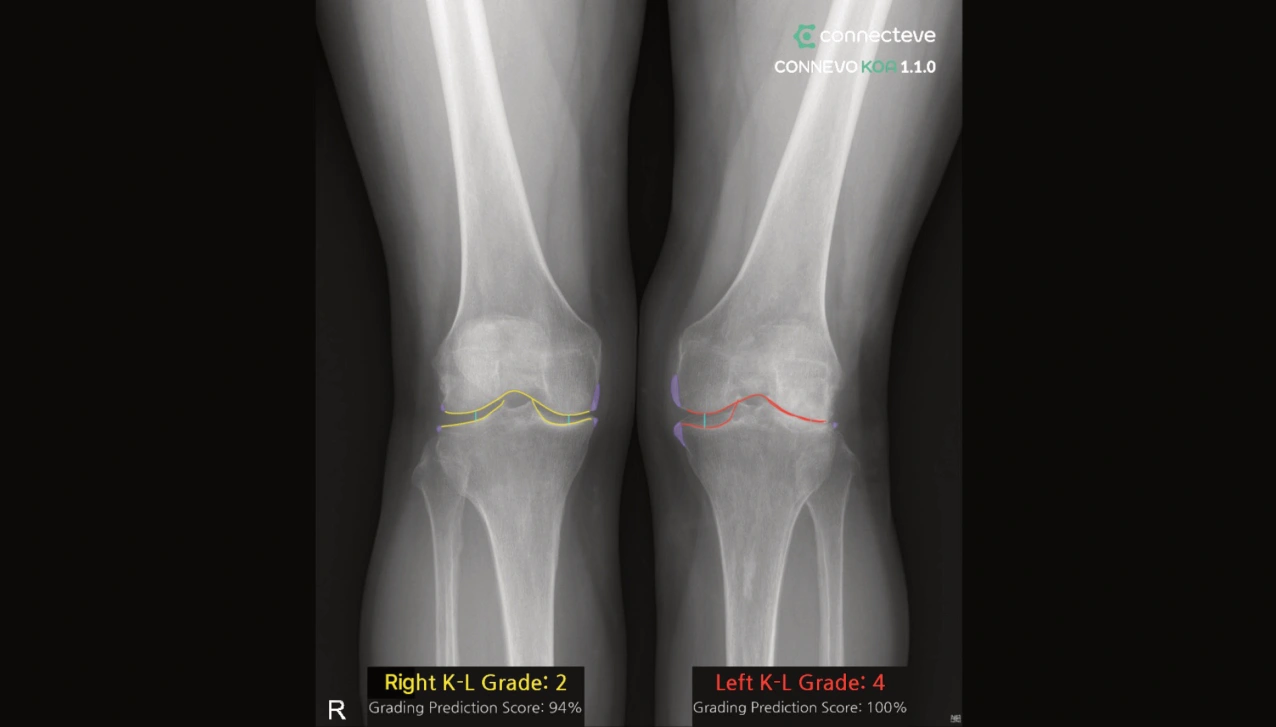
Does stage 4 arthritis mean immediate surgery?
Severe narrowing can coexist with modest daily difficulty, while others cannot sleep or walk despite appropriate treatment. Decisions combine examination, imaging, life limitations, and response. There is no universal age at which everyone must wait for or undergo surgery. Younger patients discuss long-term implant use and possible revision; older patients also consider overall health and recovery capacity.
Will surgery let me return to every previous activity?
Recovery speed and the range of possible activities vary, but activity generally improves compared with before surgery. Brisk walking and light hiking can be achievable after recovery. Sitting on the floor, squatting or kneeling may still be uncomfortable. High-impact exercise such as running and jumping is generally discouraged. Discuss each activity you hope to resume. Back or hip problems may continue to cause pain or limit function, so we distinguish these before surgery.
Which risks should we discuss beforehand?
Possible problems include infection, clots, bleeding, and stiffness during surgery and recovery. Tell the team about diabetes, heart, lung or kidney disease, medicines, previous operations, and allergies. Glucose, nutrition, and smoking are reviewed to reduce modifiable risks. Obtain specific instructions about preoperative medicines: stopping them yourself and continuing them without review can both cause problems.
About one month before surgery, we review your health and medicines
Testing usually takes place about one month before surgery to check whether you are fit for the operation. Bring a list of your regular medicines, injections, and supplements.
Any medicines that need to be adjusted or stopped are discussed individually, taking into account why you take them and the anesthesia plan. Confirm the last dose before surgery and when to restart with the surgical team.
Have you planned for returning home?
Prepare help and the home environment: stairs, safe bathroom access and support for family duties. If living alone, plan transport, meals and appointments. Discharge planning includes learning walking-aid use and exercise, pain and wound care, follow-up and whom to contact—not only length of stay.
What should I ask at the final consultation?
Ask why this operation is recommended now, whether other options remain, and how much your priority activity might improve. Then discuss personal risks, ways to reduce them, and rehabilitation. Obtain current hospital information on cost, waiting time, and admission; old articles and another patient’s schedule may not apply. Understanding the operation and preparing to take part in recovery matter as much as the date.
How long can a knee replacement last?
Long-term registry data estimated that about 82% of total knee replacements and 70% of partial knee replacements were still in place without revision surgery at 25 years. The precise estimates in the 2019 Lancet review were 82.3% and 69.8%, respectively.
These figures come from historical surgical cohorts in Finland. The life of an individual knee replacement varies with age at surgery, the implant, its fixation, and activity level. Total and partial replacement are also used in different patients and knee conditions, so these percentages alone do not determine which operation to choose. Continue to monitor pain and walking ability. If new pain or swelling persists, seek assessment before your next routine appointment.
Can I have a joint injection before knee replacement?
If you are planning knee replacement, tell the surgical team what was injected into that knee and when. Discuss avoiding corticosteroid or hyaluronic acid joint injections during the three months before surgery. If you have already had an injection, ask your surgeon about the timing of surgery rather than cancelling it yourself.
A 2019 study of 58,337 knee replacements found higher odds of infection around the prosthesis when an injection had been given within the preceding three months. The odds ratio was 1.21 for corticosteroid and 1.55 for hyaluronic acid. This was an observational study of insurance records. These figures do not establish causation or predict an individual patient’s infection risk.
Restarting medicines after surgery
The restart time depends on bleeding control, the operation’s bleeding risk, kidney function and whether an anaesthetic catheter is in place. Before discharge, confirm the date and time of your next dose in writing.