R.Du Hyun RoOrthopedics & Research
Text
Patient resourcesDisease and Treatment

Disease and Treatment

Why Keep Exercising with Arthritis?

Using the knee less is different from using it well.

Why Keep Exercising with Arthritis?

At a glance

  • Walking is an exercise you can use. We're currently planning for pain and we're coordinating the intensity and methodology if symptoms get worse.
  • It's not the same. It's recommended to check for the condition of knee and ill behaviour, and be guided by a person's appropriate type and range.

I'm choosing an exercise that fits my knee.

  1. 01
    Check the current status.
  2. 02
    A convenient choice of exercise
  3. 03
    Start with a small amount.
  4. 04
    Reaction and adjustment

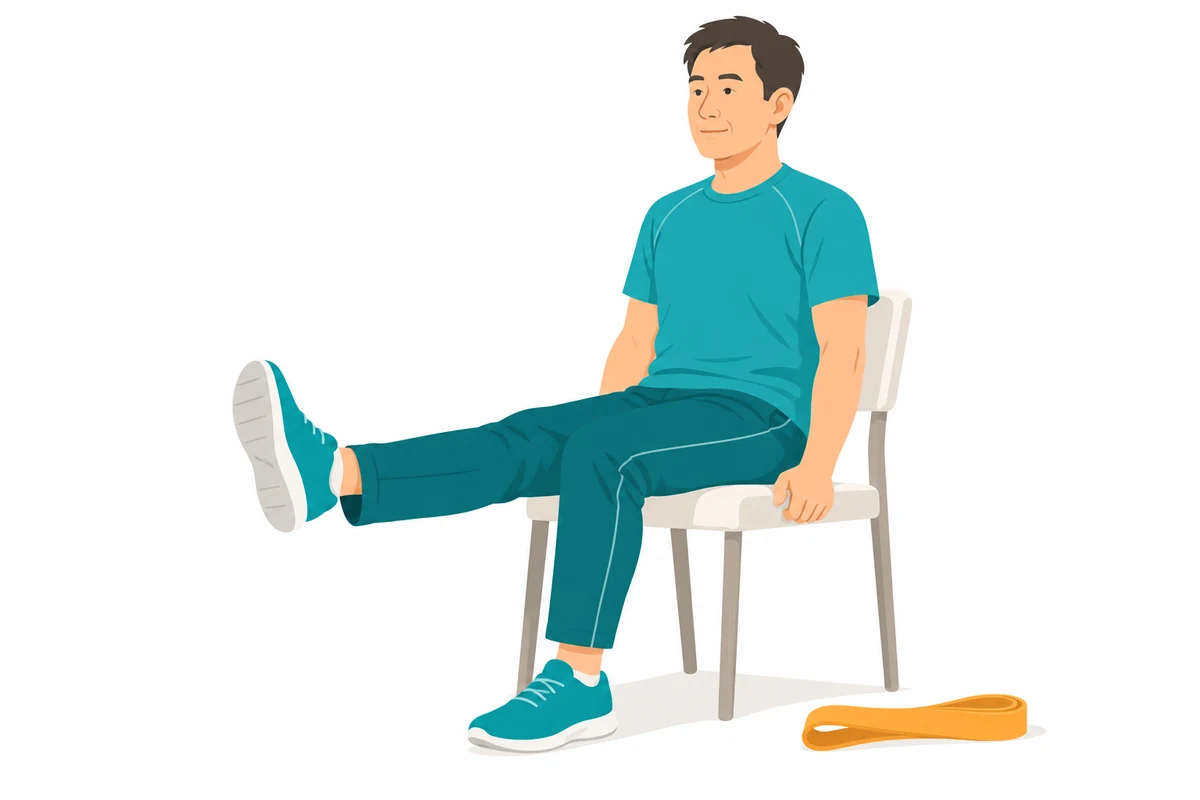
The amount of exercise is adjusted individually. It's not a chart that prescribes an exercise position or angle.

Reducing movement when your knee hurts is understandable. Prolonged inactivity, however, can weaken the thighs and reduce fitness, making the same walk harder. Exercise is part of arthritis care because we want to find movement your current knee can manage and continue gradually while monitoring symptoms. The aim is not simply to give everyone a target to walk more.

Does exercise regrow cartilage?

Exercise cannot be promised to restore all worn cartilage. Its aims are less pain and maintained or improved movement and strength. Supporting muscles, balance and overall fitness help daily joint use. Evaluate rising from a chair, fatigue after outings and comfortable walking alongside images. Exercise has a different role from temporary pain relief.

Should I start with walking or strength training?

Strengthening and aerobic activity such as walking are usually considered together; maintaining range of motion may also matter. Starting points differ. Increasing walking time alone is unsuitable if it causes swelling, while strengthening alone does not replace general activity. Use examination findings and your current activity to decide which movements and range to begin with.

Should I avoid cycling when my knee hurts?

Walking, indoor cycling, swimming, and water exercise are options, but no label makes an exercise suitable for everyone. Saddle height, resistance, walking route and duration, and knee-bending depth affect comfort. Squat depth and repetitions also need adjustment. If a movement hurts, reduce range or intensity or choose another approach; demonstrating the exercise to a clinician can help.

Is mild discomfort during exercise always a bad sign?

Some discomfort when starting exercise does not automatically mean joint damage, but you should not endure every pain. Sharp pain, increasing swelling or limping, or worse daily function afterwards call for reassessing the amount and method. If a new injury is suspected, seek assessment before pushing through exercise. Agree on personal adjustment criteria with your clinician or physiotherapist.

Do I need exercise if I already use my knees at work?

Standing or lifting all day uses the body, but it is not necessarily equivalent to planned exercise. Consider repeated load and recovery time. Identify painful tasks and discuss work height, breaks, and ways of moving before deciding to stop work. Exercise amounts can vary on demanding days. A sustainable plan fits the whole day, including work and home life.

What should I record to help keep exercising?

Record exercise type and duration, pain/swelling afterward and the next day’s limitations—not only steps. Find a tolerable amount, then adjust gradually. A cane or walking aid is not failure; it supports safe movement and necessary strengthening. Plans that allow restarting after rest and adjustment when symptoms change are more sustainable.

Can I exercise if I have knee osteoarthritis?

Yes. Therapeutic exercise tailored to your condition is recommended for knee osteoarthritis. Start with thigh-strengthening exercises and aerobic activities whose intensity you can adjust, such as walking or stationary cycling. Mild discomfort can occur at first, but a clear increase in pain or swelling means the amount or type of exercise needs to be adjusted.

A 2025 BMJ analysis reviewed 217 randomised trials with 15,684 participants. Exercise helped pain and function. Among the 40 studies reporting adverse events, no clear difference was found between exercise and control groups. However, only 18% of the studies reported safety outcomes, so the findings do not establish that every exercise is safe for everyone.

Common Questions

Can I walk for exercise if I have arthritis?

Walking is an exercise you can use. We're currently planning for pain and we're coordinating the intensity and methodology if symptoms get worse.

Are all thigh-strengthening exercises the same?

It's not the same. It's recommended to check for the condition of knee and ill behaviour, and be guided by a person's appropriate type and range.

If you get pain, do you have to stop exercising completely?

Depends on whether or not there's new damage and the extent of pain. Rather than being unreserved or shutting it down, we evaluate the situation and coordinate the plan.

Read more

NICE · Osteoarthritis in over 16s: diagnosis and management (NG226)NIH/NIAMS · Osteoarthritis: Diagnosis, Treatment, and Steps to TakeAAOS OrthoInfo · Arthritis of the KneeClinical guidance / Original research · NICE NG226: Osteoarthritis in over 16s, recommendations 1.3.1–1.3.3, 1.4.1–1.4.5Clinical guidance / Original research · Yan L et al. Comparative efficacy and safety of exercise modalities in knee osteoarthritis: systematic review and network meta-analysis. BMJ 2025;391:e085242.

When to seek medical care

Each warning sign is a separate reason to seek care. Follow the action below if any one applies.

Emergency department · call 119 in Korea

  • Call 119 for sudden breathlessness or chest pain, severe faintness or loss of consciousness. Do not wait for calf swelling to appear.
  • Go to an emergency department if you suddenly cannot bear any weight, or if an injured knee swells rapidly or looks deformed. A cold or numb foot after injury also needs immediate assessment.
  • Seek emergency care for a hot, swollen and severely painful joint with high fever, shaking chills, confusion or inability to bear weight.
  • With back or leg pain, go immediately to an emergency department for new difficulty passing urine, loss of bladder or bowel control, or numbness around the genitals or anus. Severe or rapidly worsening weakness or numbness in both legs also needs immediate assessment.

Same-day assessment

  • Arrange assessment today for a newly hot, swollen joint, sudden severe pain, or a knee locked so that it cannot fully straighten. Joint infection can occur without fever.
  • Have new swelling or pain in one calf assessed today for a possible blood clot. Call 119 immediately if breathlessness or chest pain develops.
  • Severe knee pain or a new limp in a growing adolescent may come from a hip condition such as slipped capital femoral epiphysis. Stop walking and sport and arrange assessment today. Go directly to emergency care if they cannot bear weight.
  • Stop running and seek assessment today for new recurring groin pain, pain with walking or at night, or a limp. A femoral neck stress fracture needs to be considered. Keep weight off the painful leg until assessed. Go to emergency care if you cannot bear weight.

Book an outpatient appointment

  • If none of the warning signs above is present, book an appointment for pain lasting a few weeks, repeated swelling or reduced daily activity and exercise.