The first time I've seen it.
What kind of disease is arthritis?
osteoarthritis, rheumatoid arthritis, and the causes and treatments are different.
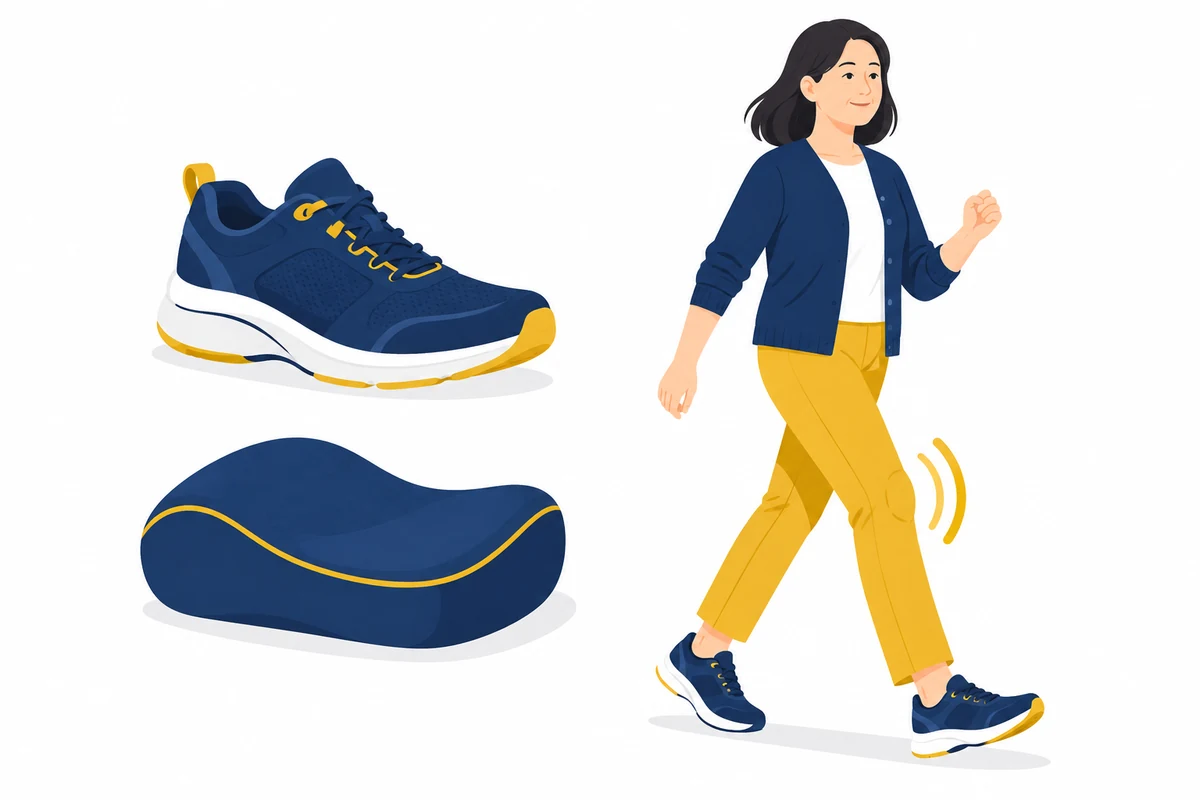
At a glance
- arthritis has many types.
- osteoarthritis is a disease that causes changes in many of the joints.
- rheumatoid arthritis and a heart attack are different causes and treatments.
arthritis is not a disease name. They include a number of conditions that can cause pain, dizziness and constipation in the joints.
This website mainly discusses osteoarthritis
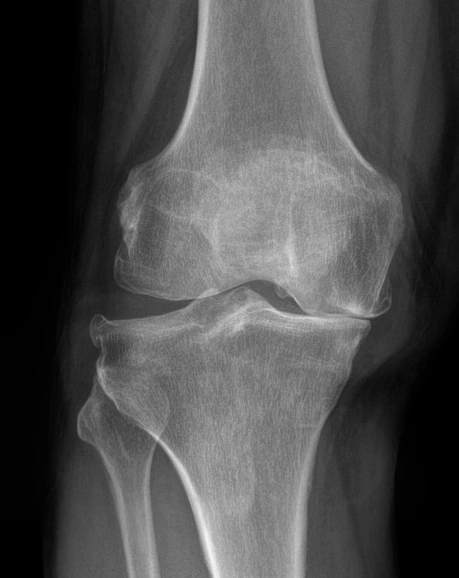
OA is often called degenerative arthritis. It involves changes in several joint tissues, not simply worn cartilage, and may affect knees, hips and hand joints.
You can't explain it by age alone.
It's common as we get older, but it has to do with past joint damage or weight, the structure of the joints and family strength. Because it's been going on for a long time, not everyone is progressing at the same rate.
rheumatoid arthritis is a different disease.
rheumatoid arthritis is a disease of the immune system that attacks joint tissue. And it's different from osteoarthritis in cause and treatment. I don't judge osteoarthritis just because it hurts the joints.
Considering joint structure and pain together
Osteoarthritis can involve changes in several tissues: the cartilage covering the joint surfaces, the bone beneath it, the synovial lining, and the menisci. Cartilage thinning and bone spurs may occur alongside swelling or reduced movement. The pattern and pace of these changes vary between people.
Articular cartilage and the menisci protect the knee together
Articular cartilage provides a smooth covering over the ends of the bones to help the knee move. The medial and lateral menisci lie between the femur and tibia and are made of fibrocartilage. They transmit weight, distribute impact, and contribute to knee stability.
Fibres within each meniscus run around its circumference. Their continuity allows a downward compressive load to be carried as tension around the meniscus. Understanding this load-sharing function helps explain why the location and direction of a tear matter when considering treatment.
So, what do you think?
The National Institutes of Health NIAMS · osteoarthritisThe type of NHS · arthritisNHS · rheumatoid arthritisAustralian Commission on Safety and Quality in Health Care — Osteoarthritis of the Knee Clinical Care Standard (2024)AAOS OrthoInfo — Meniscus TearsAAOS OrthoInfo — Meniscus RepairAAOS — Acute Isolated Meniscal Pathology Clinical Practice Guideline (2024)It's general health information. Please check your symptoms and treatment plan at the clinic.
When to seek medical care
Each warning sign is a separate reason to seek care. Follow the action below if any one applies.
Emergency department · call 119 in Korea
- Call 119 for sudden breathlessness or chest pain, severe faintness or loss of consciousness. Do not wait for calf swelling to appear.
- Go to an emergency department if you suddenly cannot bear any weight, or if an injured knee swells rapidly or looks deformed. A cold or numb foot after injury also needs immediate assessment.
- Seek emergency care for a hot, swollen and severely painful joint with high fever, shaking chills, confusion or inability to bear weight.
- With back or leg pain, go immediately to an emergency department for new difficulty passing urine, loss of bladder or bowel control, or numbness around the genitals or anus. Severe or rapidly worsening weakness or numbness in both legs also needs immediate assessment.
Same-day assessment
- Arrange assessment today for a newly hot, swollen joint, sudden severe pain, or a knee locked so that it cannot fully straighten. Joint infection can occur without fever.
- Have new swelling or pain in one calf assessed today for a possible blood clot. Call 119 immediately if breathlessness or chest pain develops.
- Severe knee pain or a new limp in a growing adolescent may come from a hip condition such as slipped capital femoral epiphysis. Stop walking and sport and arrange assessment today. Go directly to emergency care if they cannot bear weight.
- Stop running and seek assessment today for new recurring groin pain, pain with walking or at night, or a limp. A femoral neck stress fracture needs to be considered. Keep weight off the painful leg until assessed. Go to emergency care if you cannot bear weight.
Book an outpatient appointment
- If none of the warning signs above is present, book an appointment for pain lasting a few weeks, repeated swelling or reduced daily activity and exercise.