Symptoms and tests
Knee pain: what should we check?
pain and we look at the bumps, bruises, discomfort of movement together.
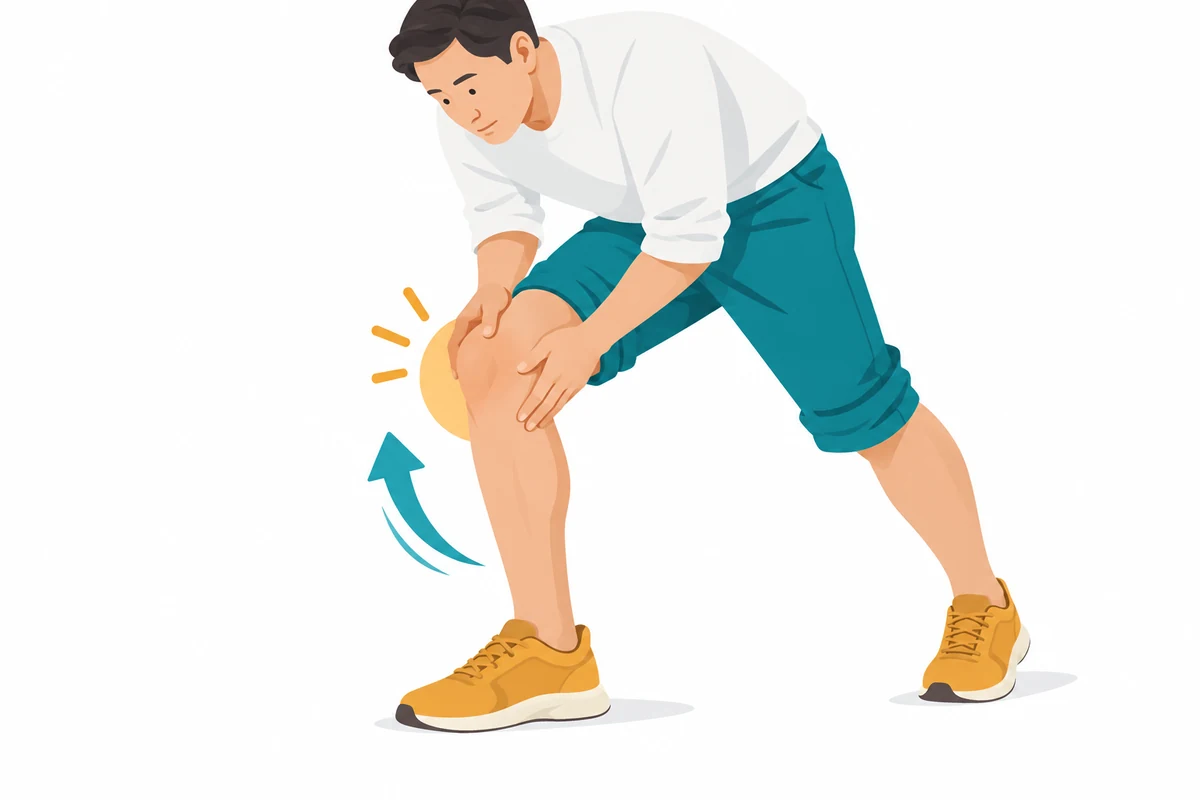
At a glance
- Let's take a look at pain and the flip-flop.
- We look at the symptoms and the diagnosis, together with the necessary tests.
- Keep a record of your difficult day-to-day activities.
Common symptoms of osteoarthritis are joint pain and congestion. Symptoms can start slowly, and they can vary depending on the amount of activity.
It hurts when you're moving, it pains when you rest but it can sting when you move.
When you use the joints, you can get pain and feel numb after resting or not moving for a long time. It also reduces the range of motion that can occur.
The test looks at the symptoms together with the diagnosis.
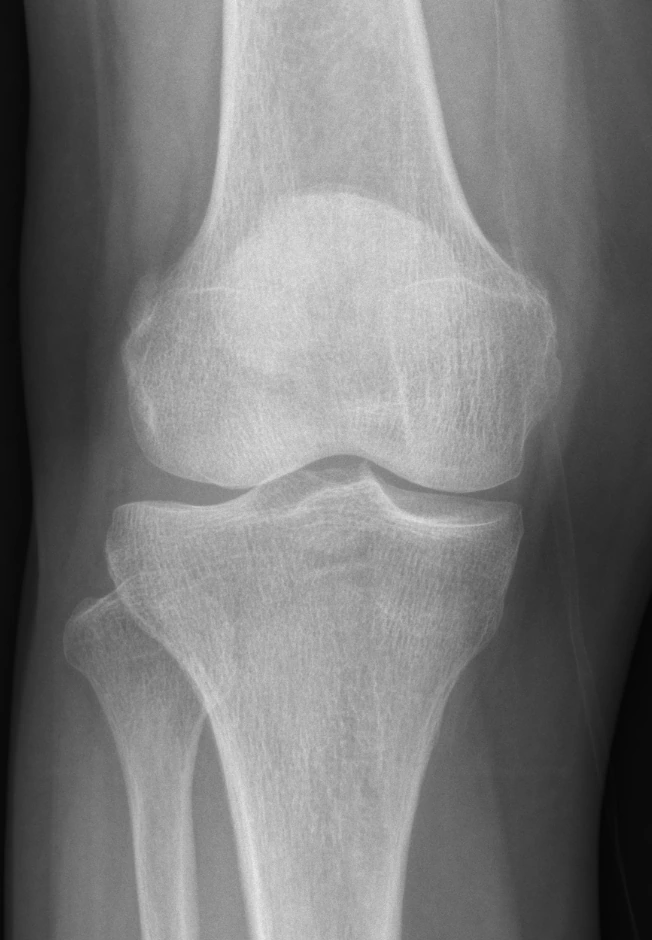
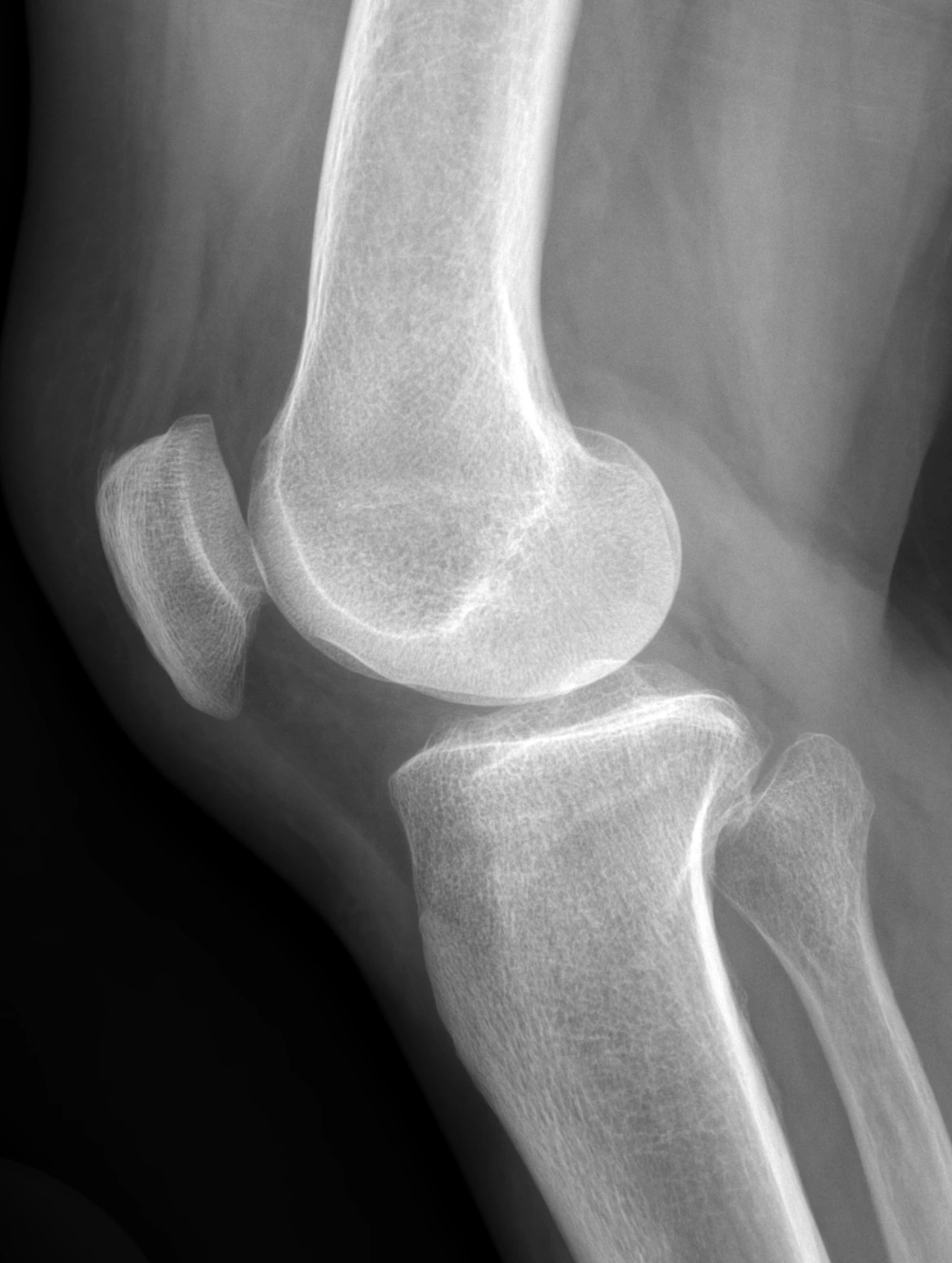
The doctor asks when you've been sick, what kind of movement is difficult, and then he examines the joints. If necessary, X-rays and so on check the condition of the joints. Tell me what your usual walking, staircase use and sleep discomfort are.
It's easy to explain if you record the change.
Write down when pain started, how it swells, how you rest, what your daily routines are. If the symptoms persist, it is advisable to seek medical attention to determine their cause.
Symptoms and examination define the question for imaging
At the visit, we first ask when the pain began, whether there was an injury, which activities worsen it, and whether there is swelling or catching. We also review previous treatments, other health conditions, and current medicines. Examination assesses gait, knee movement, tenderness, swelling, and stability to identify findings that relate to the symptoms.
Typical osteoarthritis can be assessed through the history and examination, so imaging is not required for everyone. When an X-ray is needed, it shows structural features such as the joint space, bone spurs, and changes in bone shape. The results are interpreted alongside the symptoms and examination.
MRI provides detailed images of soft tissues such as the menisci and ligaments. It can be useful, for example, when an acute meniscal injury is suspected after trauma. The decision to use MRI considers the question being investigated and how the findings could help guide treatment.
So, what do you think?
SNUH · Knee arthritisNHS · osteoarthritis symptomsThe National Institutes of Health NIAMS · osteoarthritisNIAMS — Osteoarthritis: Diagnosis, Treatment, and Steps to TakeNICE NG226 — Osteoarthritis in over 16s: diagnosis and managementAAOS — Acute Isolated Meniscal Pathology Clinical Practice Guideline (2024)It's general health information. Please check your symptoms and treatment plan at the clinic.
When to seek medical care
Each warning sign is a separate reason to seek care. Follow the action below if any one applies.
Emergency department · call 119 in Korea
- Call 119 for sudden breathlessness or chest pain, severe faintness or loss of consciousness. Do not wait for calf swelling to appear.
- Go to an emergency department if you suddenly cannot bear any weight, or if an injured knee swells rapidly or looks deformed. A cold or numb foot after injury also needs immediate assessment.
- Seek emergency care for a hot, swollen and severely painful joint with high fever, shaking chills, confusion or inability to bear weight.
- With back or leg pain, go immediately to an emergency department for new difficulty passing urine, loss of bladder or bowel control, or numbness around the genitals or anus. Severe or rapidly worsening weakness or numbness in both legs also needs immediate assessment.
Same-day assessment
- Arrange assessment today for a newly hot, swollen joint, sudden severe pain, or a knee locked so that it cannot fully straighten. Joint infection can occur without fever.
- Have new swelling or pain in one calf assessed today for a possible blood clot. Call 119 immediately if breathlessness or chest pain develops.
- Severe knee pain or a new limp in a growing adolescent may come from a hip condition such as slipped capital femoral epiphysis. Stop walking and sport and arrange assessment today. Go directly to emergency care if they cannot bear weight.
- Stop running and seek assessment today for new recurring groin pain, pain with walking or at night, or a limp. A femoral neck stress fracture needs to be considered. Keep weight off the painful leg until assessed. Go to emergency care if you cannot bear weight.
Book an outpatient appointment
- If none of the warning signs above is present, book an appointment for pain lasting a few weeks, repeated swelling or reduced daily activity and exercise.