Find a cure.
When is surgery needed?
It's not exactly surgery that you get diagnosed with.
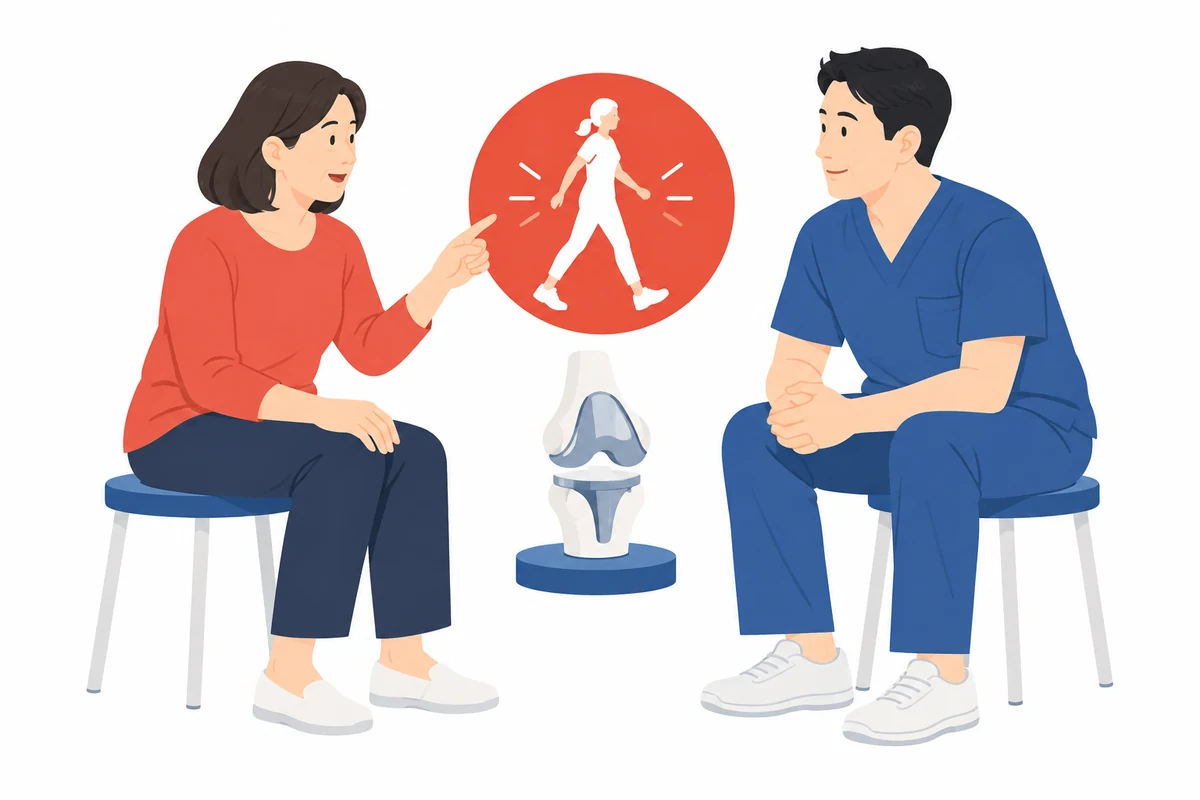
At a glance
- It's not exactly surgery that you get diagnosed with.
- I'm looking at the inconvenience of living with the results of treatment outside surgery.
- Comparing the expected effects to the risks and recovery process.
Joint replacement is not needed by everyone with OA. The decision considers the impact on daily life and the results of nonsurgical treatment.
I see how it affects our daily lives.
pain, to determine if life has been greatly complicated by stiffness, restrictions on movement or joint alterations. We'll also look at whether exercise, weight management, and pain therapy have helped enough.
It's not a video rating.
When you look at surgery, the video is a piece of evidence for joint structure. It's not just a video rating or a BMI that determines whether surgery is effective, but it evaluates the symptoms and diagnosis together with health status.
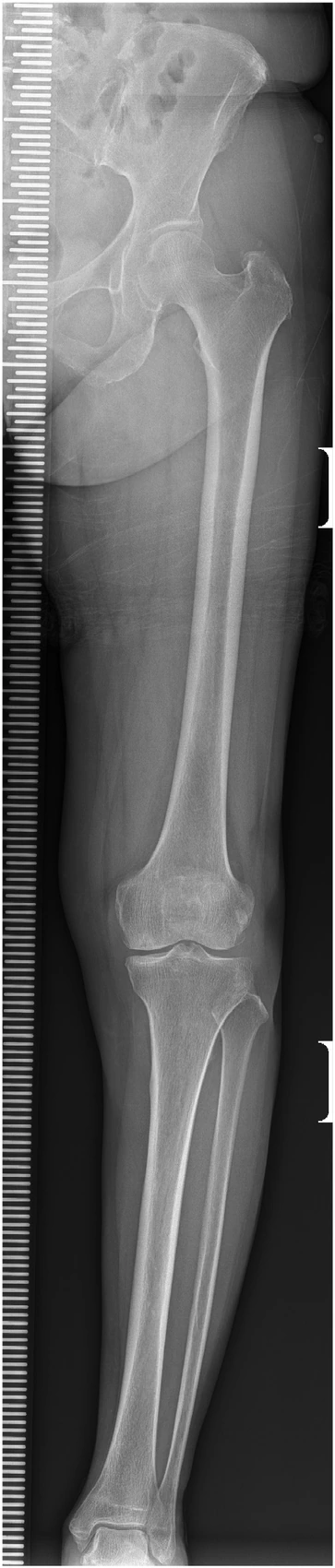
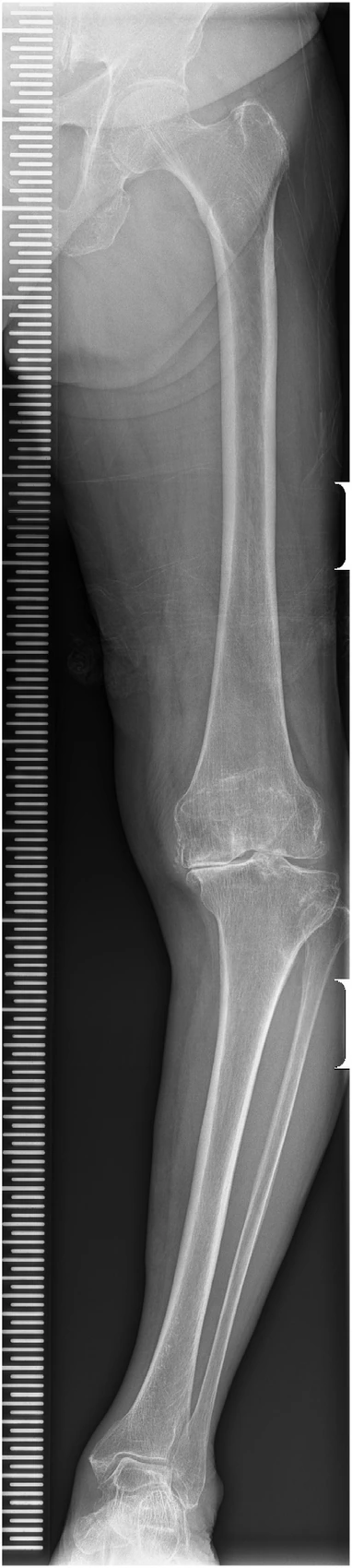
Specifically, we're talking about the changes that are expected with surgery.
pain, tell me what's most uncomfortable about walking or sleeping. It compares the anticipated effects of surgery with the risks, recovery process and other options for your doctor.
Knee replacement care at Seoul National University Hospital
In recent years, the transfusion rate for unilateral knee replacement has been below 0.2%, and postoperative infection has been below 0.1%. A Critical Pathway (C.P) guides care from preparation through recovery.
- Transfusion rate
- <0.2%
- Postoperative infection rate
- <0.1%
- Critical Pathway use
- About 98%
- Appropriate prophylactic antibiotic use
- 99%
Prophylactic antibiotic care is managed using a 24-hour course as the standard.
Seoul National University Hospital uses two surgical robots. Robot-assisted surgery is offered after discussing the surgical approach with the patient.
These figures refer to unilateral knee replacement in recent years. Individual risk varies with other illnesses and surgical circumstances.
So, what do you think?
NICE · osteoarthritis medical guidance NG226NICE · joint replacement Based on the order criteriaIt's general health information. Please check your symptoms and treatment plan at the clinic.
When to seek medical care
Each warning sign is a separate reason to seek care. Follow the action below if any one applies.
Emergency department · call 119 in Korea
- Call 119 for sudden breathlessness or chest pain, severe faintness or loss of consciousness. Do not wait for calf swelling to appear.
- Go to an emergency department if you suddenly cannot bear any weight, or if an injured knee swells rapidly or looks deformed. A cold or numb foot after injury also needs immediate assessment.
- Seek emergency care for a hot, swollen and severely painful joint with high fever, shaking chills, confusion or inability to bear weight.
- With back or leg pain, go immediately to an emergency department for new difficulty passing urine, loss of bladder or bowel control, or numbness around the genitals or anus. Severe or rapidly worsening weakness or numbness in both legs also needs immediate assessment.
Same-day assessment
- Arrange assessment today for a newly hot, swollen joint, sudden severe pain, or a knee locked so that it cannot fully straighten. Joint infection can occur without fever.
- Have new swelling or pain in one calf assessed today for a possible blood clot. Call 119 immediately if breathlessness or chest pain develops.
- Severe knee pain or a new limp in a growing adolescent may come from a hip condition such as slipped capital femoral epiphysis. Stop walking and sport and arrange assessment today. Go directly to emergency care if they cannot bear weight.
- Stop running and seek assessment today for new recurring groin pain, pain with walking or at night, or a limp. A femoral neck stress fracture needs to be considered. Keep weight off the painful leg until assessed. Go to emergency care if you cannot bear weight.
Book an outpatient appointment
- If none of the warning signs above is present, book an appointment for pain lasting a few weeks, repeated swelling or reduced daily activity and exercise.