Symptoms and tests
Does the X-ray grade always match the pain?
Read structural changes together with symptoms and limitations in daily life.
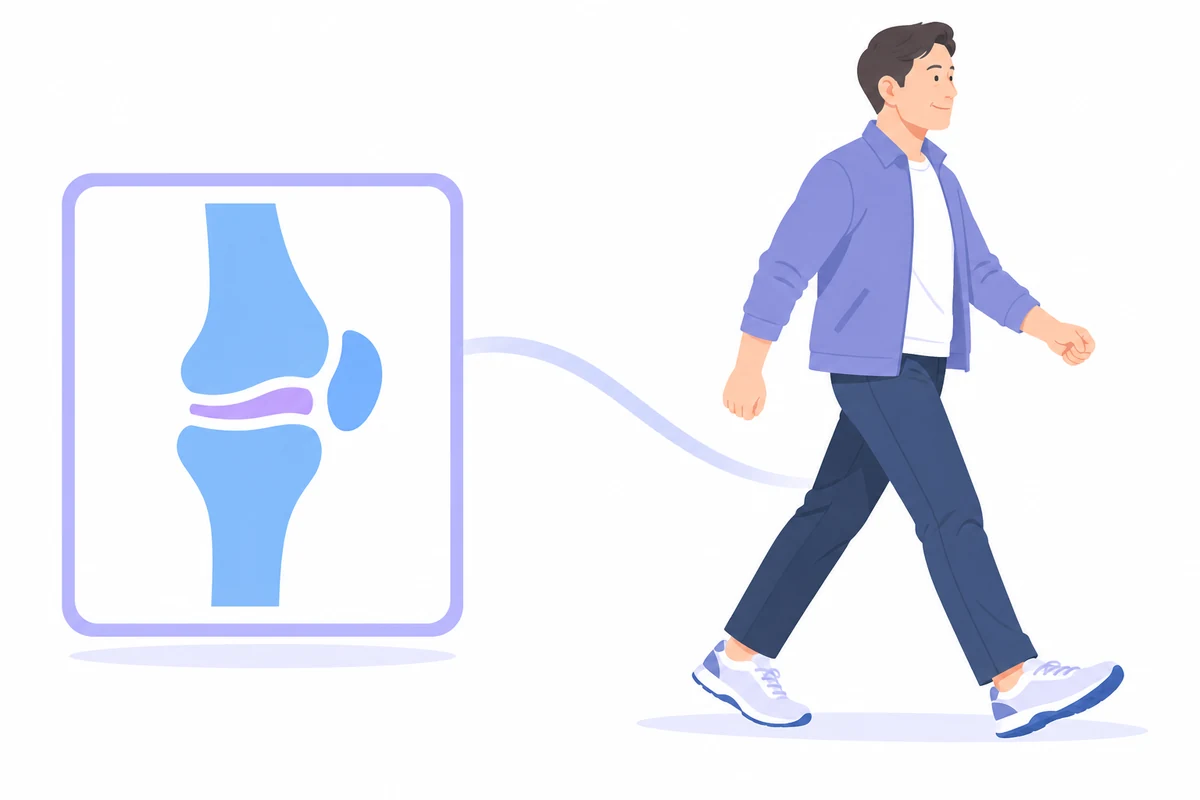
At a glance
- An X-ray grade describes structure, not a pain score.
- Walking, sleep and everyday function help assess treatment response.
- Quantitative measurement and individual prognosis need separate validation.
Some people walk well despite advanced X-ray changes, while others have daily pain with less obvious changes. Imaging grade and pain may be related, but they do not represent the same information. Treatment combines structure, symptoms and function.
Read imaging, symptoms and daily life together
- 01
Imaging
Assess joint space, spurs and alignment.
- 02
Symptoms
Assess location, swelling and activity versus rest.
- 03
Daily life
Use walking, sleep and work to set treatment goals.
Three panels connect structural measurements, symptoms and everyday function
An X-ray mainly describes structure
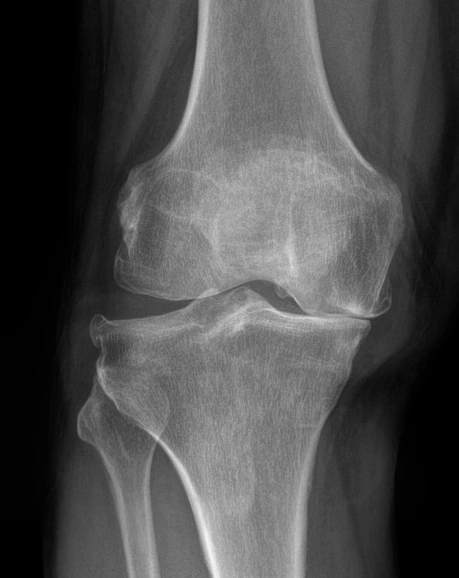
Knee X-rays show joint space, bony spurs, changes in the underlying bone and alignment. These may be grouped into a Kellgren–Lawrence, or KL, grade. Cartilage is not directly visible, and positioning and weight bearing affect interpretation.
A grade helps standardize structural description, but location and extent can differ within a grade. When comparing earlier images, try to match imaging conditions and look at which measurements changed, not just the overall grade.
Pain has several contributors
Swelling, underlying bone, surrounding tissues, strength, movement and sleep can affect pain and function. One joint-space measurement cannot explain all discomfort. This is why the painful location and symptoms on stairs, level walking or at rest are assessed separately.
Less severe imaging does not make the pain unimportant. Severe imaging does not automatically create a need for immediate surgery either. When symptoms and imaging differ, examination and consideration of other or accompanying conditions guide further testing.
Assess treatment in everyday life
Record how far you walk, whether you need your hands to rise from a chair, whether pain wakes you and whether you can continue work. Improvement after medication or exercise can be meaningful even if the X-ray grade stays the same.
Surgical discussions consider structural changes together with pain, functional limitations, previous treatment, health and expectations. A grade should not lead directly to an operation. Identifying activities you want to regain helps compare the benefits and burdens of each choice.
Objective measurement makes questions more specific
Quantifying joint space or alignment can provide a more consistent description of observed changes and support research comparing images over time. More precise measurement is not the same as perfect prediction of an individual’s pain or future course.
Consider imaging measurements alongside your activity record. Prognostic tools need separate validation and should not be treated as a fixed destiny. Ask how information from the test helps with the treatment goal you have now.
Considering joint structure and pain together
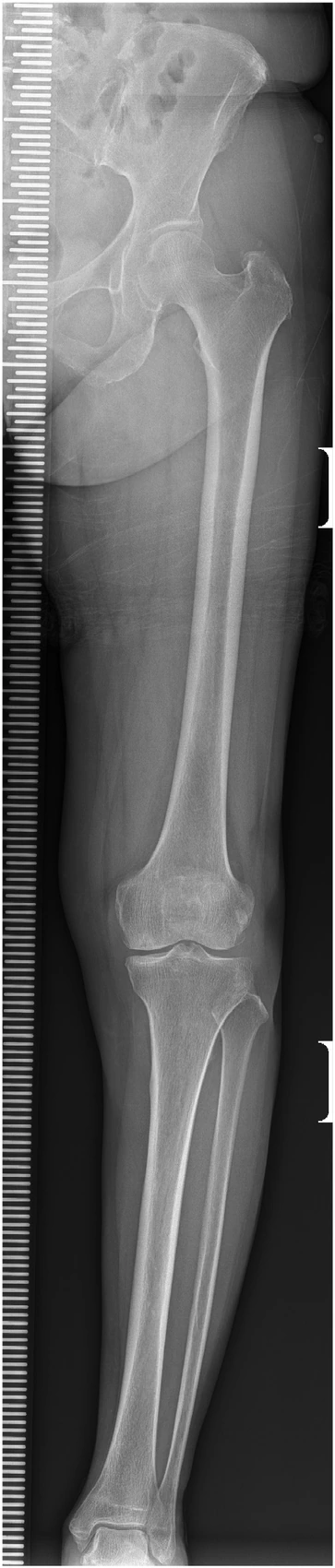
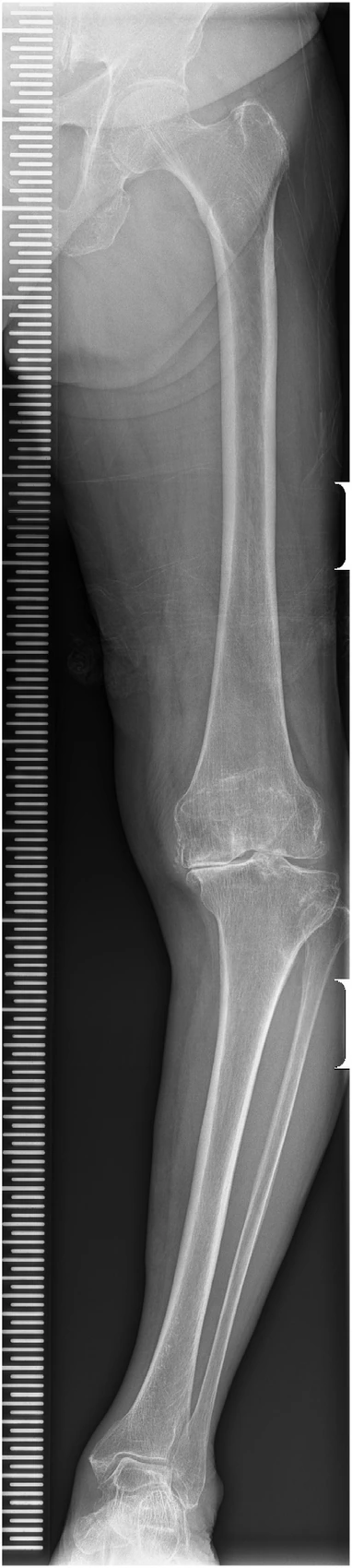
Osteoarthritis can involve changes in several tissues: the cartilage covering the joint surfaces, the bone beneath it, the synovial lining, and the menisci. Cartilage thinning and bone spurs may occur alongside swelling or reduced movement. The pattern and pace of these changes vary between people.
The degree of change on an X-ray does not always match the severity of pain. Subtle imaging changes can accompany substantial pain, while some people with more obvious changes remain comfortable in daily life. Imaging helps us understand the joint structure; pain also deserves a careful assessment of its own.
Treatment decisions consider walking, using stairs, sleeping, and taking part in valued activities alongside the images. People with the same imaging grade may need different treatments and have different recovery goals.
Common Questions
Does a high grade mean immediate surgery?
Pain, functional limitations, previous treatment, health and expectations must also be assessed.
Is exercise ineffective if the X-ray is unchanged?
Strength, walking, pain and daily life may improve. Structural and functional outcomes should be considered separately.
Can an AI measurement tell how much I hurt?
Measuring structure differs from evaluating pain or predicting prognosis. Check the validated scope of the particular model or product.
Evidence and references
01When to seek medical care
Each warning sign is a separate reason to seek care. Follow the action below if any one applies.
Emergency department · call 119 in Korea
- Call 119 for sudden breathlessness or chest pain, severe faintness or loss of consciousness. Do not wait for calf swelling to appear.
- Go to an emergency department if you suddenly cannot bear any weight, or if an injured knee swells rapidly or looks deformed. A cold or numb foot after injury also needs immediate assessment.
- Seek emergency care for a hot, swollen and severely painful joint with high fever, shaking chills, confusion or inability to bear weight.
- With back or leg pain, go immediately to an emergency department for new difficulty passing urine, loss of bladder or bowel control, or numbness around the genitals or anus. Severe or rapidly worsening weakness or numbness in both legs also needs immediate assessment.
Same-day assessment
- Arrange assessment today for a newly hot, swollen joint, sudden severe pain, or a knee locked so that it cannot fully straighten. Joint infection can occur without fever.
- Have new swelling or pain in one calf assessed today for a possible blood clot. Call 119 immediately if breathlessness or chest pain develops.
- Severe knee pain or a new limp in a growing adolescent may come from a hip condition such as slipped capital femoral epiphysis. Stop walking and sport and arrange assessment today. Go directly to emergency care if they cannot bear weight.
- Stop running and seek assessment today for new recurring groin pain, pain with walking or at night, or a limp. A femoral neck stress fracture needs to be considered. Keep weight off the painful leg until assessed. Go to emergency care if you cannot bear weight.
Book an outpatient appointment
- If none of the warning signs above is present, book an appointment for pain lasting a few weeks, repeated swelling or reduced daily activity and exercise.