Preparing for surgery and recovery
Which wound changes should I watch for?
Compare the wound daily, but let the clinical team assess possible infection.
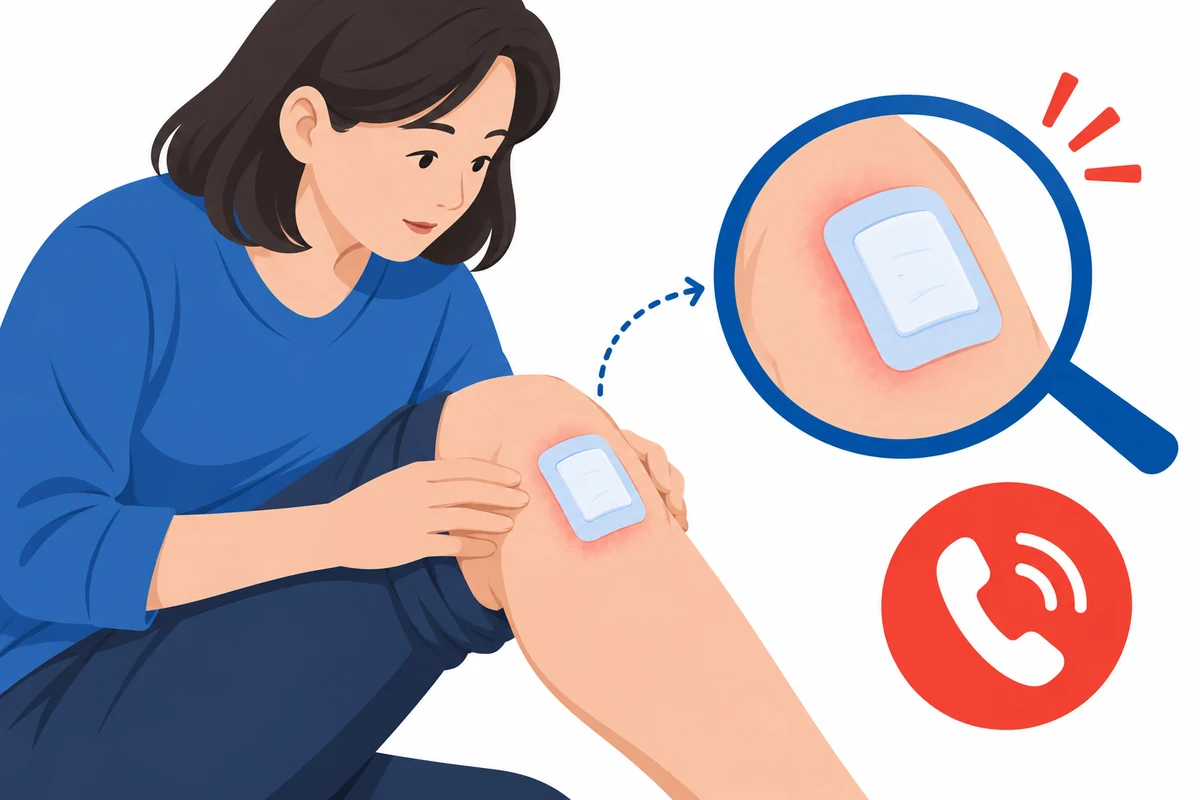
At a glance
- Track changes in redness, drainage and pain.
- Follow your dressing and showering instructions.
- Seek prompt assessment for deterioration even without fever.
Continue wound care alongside your exercises after surgery. Keep the wound clean and dry and follow your discharge instructions for dressings and washing. Once the wound has fully healed, your care team can teach you scar massage. If redness spreads or new drainage appears, seek assessment rather than waiting for the next scheduled visit.
From wound observation to clinical contact
Compare
Redness, pain and drainage trends
Follow instructions
Dressing changes, showering and hand hygiene
Contact the team
Prompt help for leaking, opening or worsening
Panels showing change recording, instructed dressing care and contact for deterioration
Keep the wound clean and dry
Keep the surgical wound clean and dry, and change the dressing only as directed by the surgical team. Before discharge, confirm when you can start showering and bathing.
Contact the surgical team promptly if redness spreads around the wound or new drainage develops. Do not rub an open wound or skin that has not healed.
The trend matters more than one appearance
Check the area of redness, warmth, pain and fluid on the dressing. Report spreading redness or newly appearing drainage. A photograph in similar lighting can explain a change but cannot replace examination.
Bruising and modest swelling may occur after surgery. Pain that worsens again after improving, pain at rest, chills or a flu-like illness should not automatically be labelled normal recovery. Wound problems may occur without fever.
Dressings have different care instructions
Confirm when to change the dressing, whether it may get wet and when showering is allowed. A waterproof dressing does not automatically permit bathing or swimming. Ask what to do if the dressing becomes wet or lifts.
Do not repeatedly open it just to inspect the wound, or add antiseptics, ointments or home remedies without instructions. Do not remove sutures or adhesive strips yourself. Follow the supplied method and hand-hygiene advice whenever wound care is required.
Start scar massage only after the wound has fully healed
Begin scar massage only once the wound is fully closed and healed and your care team has approved it. Do not massage skin that has not healed or a wound with drainage.
After your care team shows you the technique, you can use a hypoallergenic moisturizer and gently stroke the scar or massage with small circles. Avoid deep pressure over numb skin. The timing and technique should suit the condition of the wound.
If your calf develops new swelling, warmth, or pain, seek same-day medical assessment rather than trying to massage it away. Sudden breathlessness or chest pain requires emergency care; in Korea, call 119.
Report drainage and deterioration promptly
Pus-like drainage, persistent leaking, an opening wound and increasing redness or pain warrant prompt contact with the surgical team. Colour alone cannot identify the depth or cause of infection; examination and appropriate tests matter.
Do not take leftover antibiotics and wait for the next routine appointment. Treatment should follow an assessment of the problem. High fever with severe chills, rapid general deterioration or altered awareness requires immediate emergency assessment.
Know the contact plan before discharge
Ask how to send photographs, who to contact during and outside working hours, and where to seek care on holidays. Report the operation date, onset of change, pain and drainage trends, and current medicines.
Do not ignore worsening symptoms because a photograph looked reassuring. Discuss diabetes or immune-related conditions in the care plan. A wound problem may also require changes to exercise, which should be agreed with the clinical team.
Common Questions
Does redness mean infection?
Not by itself. Spreading redness, drainage, increasing pain and general symptoms need assessment together.
Can a photograph replace an appointment?
It helps describe the problem but cannot assess deeper tissue or your general condition. An in-person review may be needed.
Can I use leftover antibiotics?
Contact the surgical team first. Self-treatment may interfere with assessment and the treatment plan.
When can I start massage after surgery?
Begin gentle scar massage only once the wound is fully closed and healed and your care team approves it. Do not rub an open or draining wound. Any new calf swelling, warmth, or pain needs same-day assessment, not massage.
Evidence and references
01When to seek medical care
Each warning sign is a separate reason to seek care. Follow the action below if any one applies.
Emergency department · call 119 in Korea
- Call 119 for sudden breathlessness or chest pain, severe faintness or loss of consciousness. Do not wait for calf swelling to appear.
- Go to an emergency department if you suddenly cannot bear any weight, or if an injured knee swells rapidly or looks deformed. A cold or numb foot after injury also needs immediate assessment.
- Seek emergency care for a hot, swollen and severely painful joint with high fever, shaking chills, confusion or inability to bear weight.
- With back or leg pain, go immediately to an emergency department for new difficulty passing urine, loss of bladder or bowel control, or numbness around the genitals or anus. Severe or rapidly worsening weakness or numbness in both legs also needs immediate assessment.
Same-day assessment
- Arrange assessment today for a newly hot, swollen joint, sudden severe pain, or a knee locked so that it cannot fully straighten. Joint infection can occur without fever.
- Have new swelling or pain in one calf assessed today for a possible blood clot. Call 119 immediately if breathlessness or chest pain develops.
- Severe knee pain or a new limp in a growing adolescent may come from a hip condition such as slipped capital femoral epiphysis. Stop walking and sport and arrange assessment today. Go directly to emergency care if they cannot bear weight.
- Stop running and seek assessment today for new recurring groin pain, pain with walking or at night, or a limp. A femoral neck stress fracture needs to be considered. Keep weight off the painful leg until assessed. Go to emergency care if you cannot bear weight.
Book an outpatient appointment
- If none of the warning signs above is present, book an appointment for pain lasting a few weeks, repeated swelling or reduced daily activity and exercise.