Medicines and injections
What to tell your clinician before taking arthritis tablets
Other medicines and stomach, kidney and cardiovascular conditions affect the choice.
At a glance
- Report all medicines and previous adverse reactions.
- Stomach protection does not prevent every risk.
- Reassess poor benefit instead of increasing the dose yourself.
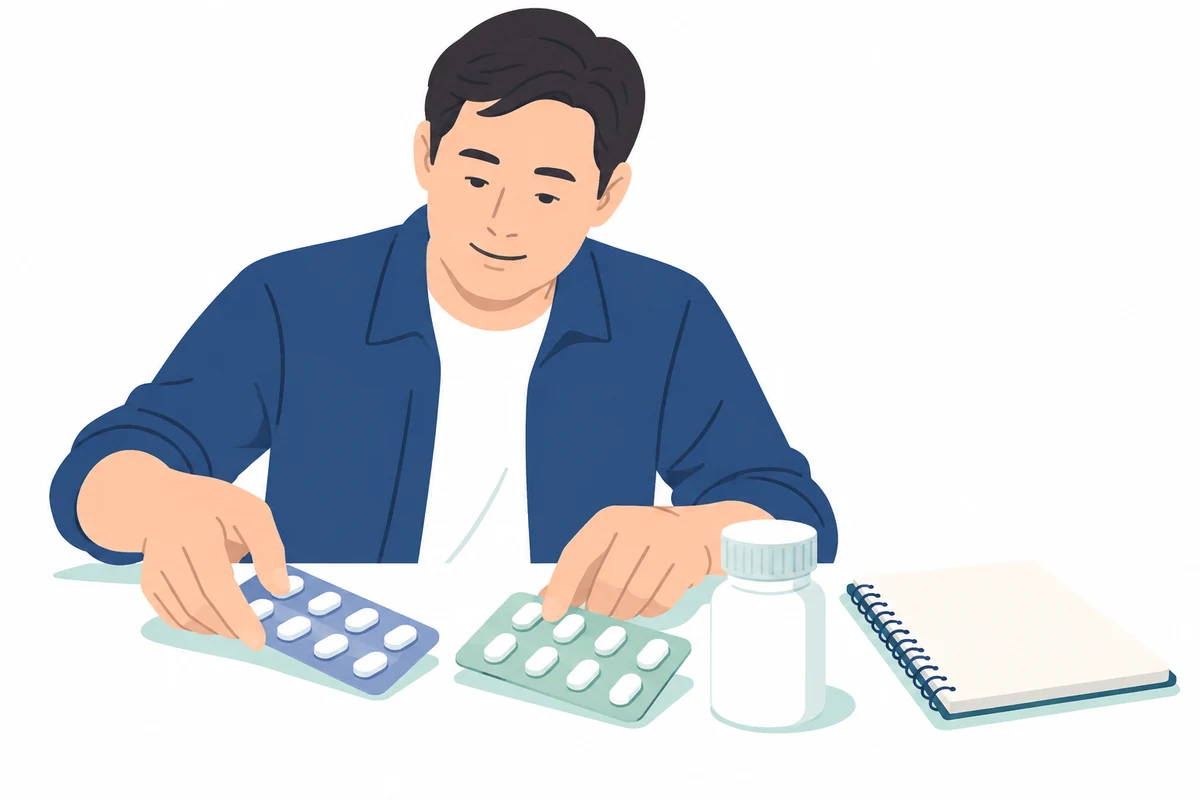
Feeling better after a pain tablet is not a reason to keep increasing it. Anti-inflammatory medicines can help pain and daily function, but selection and duration depend on overall health. Prepare a medicine list and any history of adverse reactions.
Prepare for an anti-inflammatory medicine review
Health
Stomach, kidney, heart history and blood pressure
Medicines
Prescriptions, nonprescription products and supplements
Response
Daily function and new symptoms
Three panels: health history, medicine list and treatment response
Agree on the purpose
Nonsteroidal anti-inflammatory drugs can improve pain and function in knee osteoarthritis. They do not restore a damaged joint or reliably stop the disease progressing.
Discuss whether the goal is easier walking and exercise, reduced swelling or better sleep. Agree on the lowest effective dose and shortest necessary duration; do not simply increase the amount when treatment is not helping.
Describe stomach, kidney and cardiovascular history
Report previous ulcers or gastrointestinal bleeding, reduced kidney function, heart disease, stroke and high blood pressure. These conditions can change both the risk and the choice of medicine.
Check the plan again during dehydration or poor food intake. A stomach-protecting medicine may be prescribed, but it does not remove kidney or cardiovascular risks.
Check overlaps and interactions
Include prescriptions from other clinics, over-the-counter painkillers, aspirin, anticoagulants and supplements. Different brands can contain drugs from the same anti-inflammatory group. Bring medicine packets or photographs.
Blood pressure medicines and diuretics may also affect the checks needed. Report possible pregnancy or a new illness. Do not add or stop prescription medicines without an agreed plan.
Report important changes
Vomiting blood, black tar-like stools or severe abdominal pain can signal bleeding and require emergency assessment. Promptly report reduced urination or new swelling. Chest pain, sudden breathlessness or one-sided weakness also require emergency care.
Measure benefit through walking, sleep and activity as well as pain. If treatment continues, agree on blood pressure checks, blood tests and follow-up so that response and safety are reviewed together.
Common Questions
Can I take them long term if my stomach feels fine?
Kidney, blood pressure and cardiovascular problems can occur without stomach symptoms. Review the need and monitoring plan.
Can I add another painkiller?
Ingredients or drug classes may overlap. Show your current medicines to a pharmacist or clinician first.
Will stopping the medicine make arthritis progress faster?
Stopping a symptom-relieving drug does not necessarily accelerate osteoarthritis. Plan alternatives to maintain comfort and function.
Evidence and references
01When to seek medical care
Each warning sign is a separate reason to seek care. Follow the action below if any one applies.
Emergency department · call 119 in Korea
- Call 119 for sudden breathlessness or chest pain, severe faintness or loss of consciousness. Do not wait for calf swelling to appear.
- Go to an emergency department if you suddenly cannot bear any weight, or if an injured knee swells rapidly or looks deformed. A cold or numb foot after injury also needs immediate assessment.
- Seek emergency care for a hot, swollen and severely painful joint with high fever, shaking chills, confusion or inability to bear weight.
- With back or leg pain, go immediately to an emergency department for new difficulty passing urine, loss of bladder or bowel control, or numbness around the genitals or anus. Severe or rapidly worsening weakness or numbness in both legs also needs immediate assessment.
Same-day assessment
- Arrange assessment today for a newly hot, swollen joint, sudden severe pain, or a knee locked so that it cannot fully straighten. Joint infection can occur without fever.
- Have new swelling or pain in one calf assessed today for a possible blood clot. Call 119 immediately if breathlessness or chest pain develops.
- Severe knee pain or a new limp in a growing adolescent may come from a hip condition such as slipped capital femoral epiphysis. Stop walking and sport and arrange assessment today. Go directly to emergency care if they cannot bear weight.
- Stop running and seek assessment today for new recurring groin pain, pain with walking or at night, or a limp. A femoral neck stress fracture needs to be considered. Keep weight off the painful leg until assessed. Go to emergency care if you cannot bear weight.
Book an outpatient appointment
- If none of the warning signs above is present, book an appointment for pain lasting a few weeks, repeated swelling or reduced daily activity and exercise.