Preparing for surgery and recovery
When can I drive or travel after knee replacement?
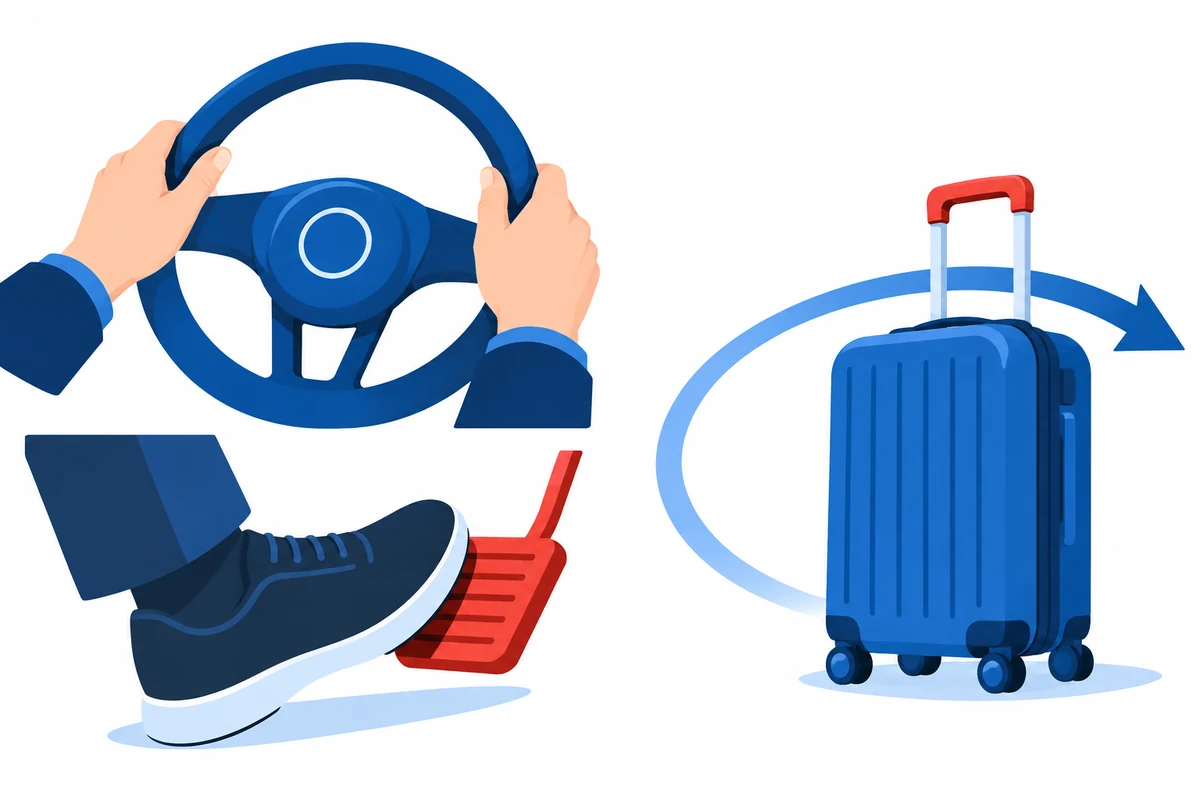
Being able to sit in a car is different from being able to brake in an emergency.
At a glance
- Driving needs adequate braking and unimpaired alertness.
- Review clot risk, wound care and follow-up before long journeys.
- Average recovery times are not personal driving clearance.
The UK NHS advises waiting at least 6 weeks after total knee replacement or at least 3 weeks after partial knee replacement, then checking with your doctor that you are fit to drive. In Korea, agree on the timing with your treating team based on the operated side, your vehicle, and your recovery.
Three checks before returning to travel
Function
Entry, reaction and adequate braking
Safety
Sedating drugs, insurance and clinical clearance
Travel
Routes, luggage, breaks and clot plan
A checklist of leg function, medication safety and the travel route
Driving readiness is assessed from 6 weeks after total replacement and 3 weeks after partial replacement
The UK NHS advises waiting at least 6 weeks after total knee replacement or at least 3 weeks after partial knee replacement, then checking with your doctor that you are fit to drive. In Korea, agree on the timing with your treating team based on the operated side, your vehicle, and your recovery.
You should be able to press the brake quickly and firmly without pain or hesitation, get into and out of the car safely, and maintain a comfortable driving position. Postpone driving if you are taking pain medicine that causes drowsiness or impairs judgement. Start with short journeys and check the terms of your insurance coverage.
Check function and medicines together
Assess safe entry and exit, comfortable sitting and the ability to move the leg quickly and apply adequate braking force. The operated side, bilateral surgery and transmission type matter. Absence of pain does not establish reaction time.
Do not drive while taking pain medicines or sedatives that impair alertness or judgement. Review knee control and the need for aids with the team. Check applicable insurance and local licensing requirements too.
Discuss a practical driving plan
Describe the vehicle, commute and required movements. After clinical clearance, confirm vehicle control in a safe setting rather than testing yourself in traffic. Arrange alternative transport if movement or reactions remain impaired.
Professional driving and long commutes differ from short personal journeys. Consider swelling and fatigue after prolonged sitting. Another patient’s date or an online average is not your driving clearance.
Plan the whole journey
Consider stairs, queues, toilets, walking distances and luggage, not just travel time. Discuss early long-distance travel with the surgical team, including wound care, follow-up appointments, clot risk and prevention.
Plan safe opportunities to change position and move within permitted limits. Request airport assistance in advance if needed. Do not add or change clot medicines or compression measures yourself just for travel.
Prepare for problems away from home
Carry medication and surgical information and know how to contact your team. New calf pain, one-sided swelling or wound drainage needs prompt assessment rather than pressing on with an itinerary. Sudden breathlessness or chest pain needs immediate emergency help.
In Korea call 119; elsewhere know the local emergency number. Do not drive yourself when unwell. Discuss ways to modify the trip and arrange assistance, rather than focusing only on a fixed departure date.
Common Questions
Can I drive immediately after left-knee surgery?
Not automatically. The vehicle, medicines and functional recovery still matter.
Should I take extra clot medicine for travel?
No self-directed additions. Ask the team to tailor the plan to your risk and existing prescription.
Can an implant trigger airport screening?
Yes. Tell security staff and follow local procedures. A certificate does not exempt all screening.
Evidence and references
01When to seek medical care
Each warning sign is a separate reason to seek care. Follow the action below if any one applies.
Emergency department · call 119 in Korea
- Call 119 for sudden breathlessness or chest pain, severe faintness or loss of consciousness. Do not wait for calf swelling to appear.
- Go to an emergency department if you suddenly cannot bear any weight, or if an injured knee swells rapidly or looks deformed. A cold or numb foot after injury also needs immediate assessment.
- Seek emergency care for a hot, swollen and severely painful joint with high fever, shaking chills, confusion or inability to bear weight.
- With back or leg pain, go immediately to an emergency department for new difficulty passing urine, loss of bladder or bowel control, or numbness around the genitals or anus. Severe or rapidly worsening weakness or numbness in both legs also needs immediate assessment.
Same-day assessment
- Arrange assessment today for a newly hot, swollen joint, sudden severe pain, or a knee locked so that it cannot fully straighten. Joint infection can occur without fever.
- Have new swelling or pain in one calf assessed today for a possible blood clot. Call 119 immediately if breathlessness or chest pain develops.
- Severe knee pain or a new limp in a growing adolescent may come from a hip condition such as slipped capital femoral epiphysis. Stop walking and sport and arrange assessment today. Go directly to emergency care if they cannot bear weight.
- Stop running and seek assessment today for new recurring groin pain, pain with walking or at night, or a limp. A femoral neck stress fracture needs to be considered. Keep weight off the painful leg until assessed. Go to emergency care if you cannot bear weight.
Book an outpatient appointment
- If none of the warning signs above is present, book an appointment for pain lasting a few weeks, repeated swelling or reduced daily activity and exercise.