Injuries, tendons and menisci
When is ACL reconstruction considered, and when is rehabilitation appropriate?
Repeated instability and activity goals are central to the choice.
At a glance
- Both approaches need rehabilitation.
- Describe repeated giving way and specific goals.
- Understand benefits and limits of reconstruction.
After an ACL tear, the choice is not surgery versus doing nothing. Nonsurgical care needs structured rehabilitation and follow-up. Reconstruction also requires preparation and postoperative rehabilitation. Start by describing how unstable the knee is and what activities you want to resume.
Rehabilitation belongs to both pathways
- 01
Assessment
Instability, associated injury and goals
- 02
Rehabilitation
Restore strength and control, reassess stability
- 03
Reconstruction
Surgery plus rehabilitation, reassess function
Panels comparing assessment, nonsurgical rehabilitation and reconstruction with rehabilitation
Describe instability in real situations
Does the knee cope with walking but give way on turns, or feel unreliable on stairs or at work? Pain and instability are different. Repeated giving way may place additional stress on the meniscus and cartilage and should trigger reassessment.
Describe intended sports, work tasks and whether activity modification is acceptable. Pivoting sports and walking-based daily life demand different functions. Age alone should not select the treatment.
Nonsurgical rehabilitation is active treatment
Progressively address swelling, pain, movement, thigh and hip strength, balance and movement control. A brace may be used when appropriate. Rehabilitation does not mean that the torn ligament necessarily returns to its original structure.
Repeatedly assess whether stability is sufficient for the activities that matter to you. People with limited instability and acceptable activity modification may suit nonsurgical care. Persistent giving way or failure to meet goals warrants a new discussion.
Reconstruction aims to restore stability
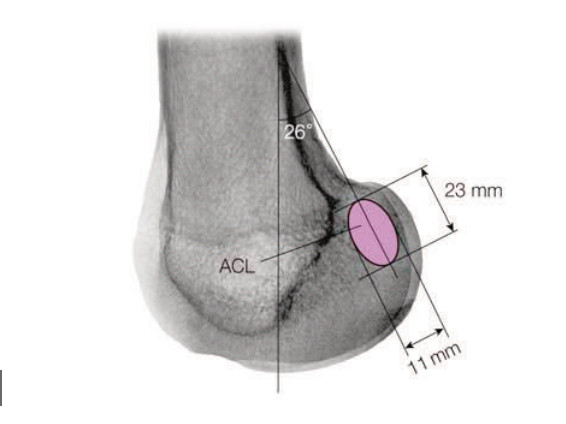
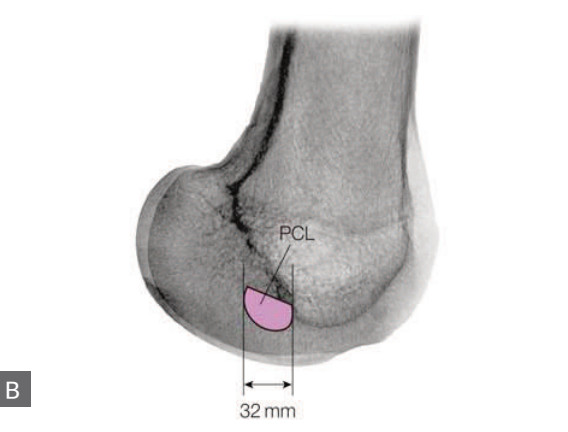
A tendon graft is usually fixed within bone tunnels to recreate the ACL’s role. Recurrent instability, pivoting-sport goals and associated injuries influence the decision. Graft choice and any meniscal procedure affect rehabilitation.
Surgery cannot guarantee prevention of osteoarthritis or return to the previous sporting level. Discuss likely benefits, graft-related problems and reinjury risk. Patients who are still growing need a plan that accounts for growth plates.
Connect preparation with postoperative goals
When surgery is planned, preparing movement, swelling control and muscle activation within safe limits matters. Some associated injuries need earlier treatment, so waiting periods are individual. There is no single delay suitable for every tear.
Ask what milestones permit progression and which movements remain restricted. Treatment is a plan reassessed through functional recovery rather than a one-off imaging decision. Sporting return requires consideration of function, confidence and healing as well as time.
Starting with rehabilitation and choosing reconstruction later is also an option
After an ACL tear, rehabilitation begins by reducing swelling, restoring movement, and improving strength and balance. In the KANON study of 121 young, active adults, 30 of the 59 participants who began with rehabilitation and the option of later surgery—about 51%—underwent reconstruction within 5 years.
At 5 years, average patient-reported scores did not differ significantly between the early-reconstruction strategy and rehabilitation with surgery if needed. However, the need for surgery varies with the sport you want to return to, repeated episodes of the knee giving way, and associated injuries such as a meniscal tear. If you wish to continue pivoting sports or experience repeated instability in daily life, discuss reconstruction actively with your surgical team.
Common Questions
Is nonsurgical treatment neglect?
No. For suitable patients, structured rehabilitation and monitoring are treatment. Persistent instability prompts reconsideration.
Does surgery prevent arthritis?
It cannot guarantee prevention. Initial cartilage and meniscal injury, later activity and reinjury also matter.
How long should I wait for surgery?
Movement, swelling, instability and associated damage guide timing. Some problems, such as a persistently locked knee, need prompt treatment.
Evidence and references
01When to seek medical care
Each warning sign is a separate reason to seek care. Follow the action below if any one applies.
Emergency department · call 119 in Korea
- Call 119 for sudden breathlessness or chest pain, severe faintness or loss of consciousness. Do not wait for calf swelling to appear.
- Go to an emergency department if you suddenly cannot bear any weight, or if an injured knee swells rapidly or looks deformed. A cold or numb foot after injury also needs immediate assessment.
- Seek emergency care for a hot, swollen and severely painful joint with high fever, shaking chills, confusion or inability to bear weight.
- With back or leg pain, go immediately to an emergency department for new difficulty passing urine, loss of bladder or bowel control, or numbness around the genitals or anus. Severe or rapidly worsening weakness or numbness in both legs also needs immediate assessment.
Same-day assessment
- Arrange assessment today for a newly hot, swollen joint, sudden severe pain, or a knee locked so that it cannot fully straighten. Joint infection can occur without fever.
- Have new swelling or pain in one calf assessed today for a possible blood clot. Call 119 immediately if breathlessness or chest pain develops.
- Severe knee pain or a new limp in a growing adolescent may come from a hip condition such as slipped capital femoral epiphysis. Stop walking and sport and arrange assessment today. Go directly to emergency care if they cannot bear weight.
- Stop running and seek assessment today for new recurring groin pain, pain with walking or at night, or a limp. A femoral neck stress fracture needs to be considered. Keep weight off the painful leg until assessed. Go to emergency care if you cannot bear weight.
Book an outpatient appointment
- If none of the warning signs above is present, book an appointment for pain lasting a few weeks, repeated swelling or reduced daily activity and exercise.