Injuries, tendons and menisci
What does an ACL tear on an MRI report mean?
Connect the report with the injury, stability and associated damage.
At a glance
- MRI and examination provide different information.
- Good walking does not guarantee rotational stability.
- Discuss associated injuries and intended activities.
An MRI report describing an anterior cruciate ligament tear can make surgery seem inevitable. Imaging is only part of the decision. Whether the tear is partial or complete, whether the knee gives way, your intended activities and injuries to the meniscus or other ligaments must be considered together.
Read a tear report through three sources of information
- 01
Imaging
Ligament and associated tissue damage
- 02
Examination
Forward movement and rotational stability
- 03
Daily life
Giving-way situations and intended activities
A comparison of MRI structure, clinical stability and activity demands
Understand what the ACL does
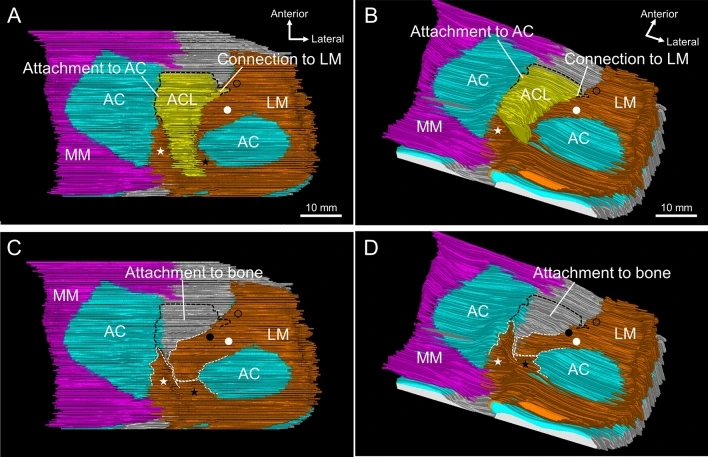
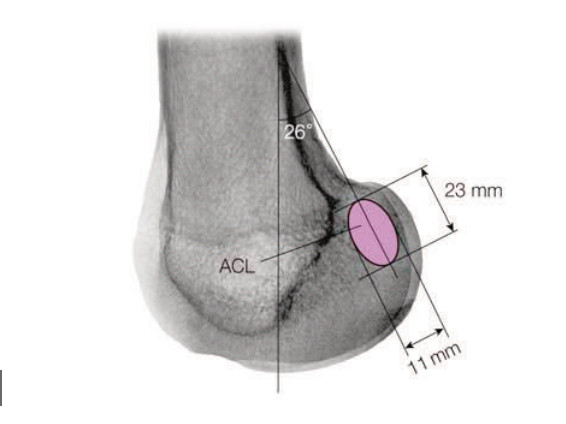
The ACL connects the thighbone and shinbone, limits excessive forward movement of the shinbone and contributes to rotational stability. It matters during turning and landing. Comfortable straight-line walking does not establish normal ligament function.
Describe the injury movement, any pop, when swelling developed and subsequent giving-way episodes. A non-contact change of direction can cause injury. Pain may improve while instability remains.
Imaging and examination are complementary
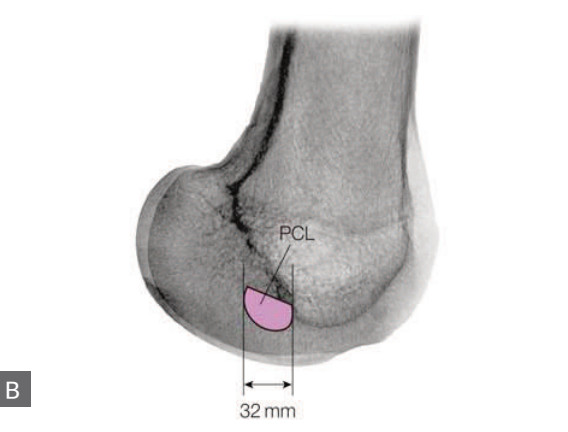
MRI shows ligament structure and associated injuries to the meniscus, articular cartilage and other tissues. Examination assesses front-to-back movement and rotational stability. The word “tear” on a report alone cannot determine actual knee function or the appropriate treatment.
Pain and swelling can limit an early examination, so reassessment may be needed. X-rays assess fractures or damage where a ligament attaches to bone. Discuss the images alongside the examination instead of comparing one report sentence online.
Check why the knee will not straighten
A displaced meniscal fragment may block movement, while swelling and pain can also limit it. Persistent locking after an injury warrants prompt assessment. Do not force the knee or continue sport to try to unlock it.
Other ligament injury, cartilage damage and growth-plate status affect the plan. A cold foot or new sensory or strength loss needs immediate assessment. Do not overlook these changes by focusing only on the ACL.
Link decisions to daily goals
Walking-based daily life and pivoting sports demand different functions. Discuss rehabilitation or reconstruction in light of repeated giving way, associated injuries and goals. Swelling control, movement and strength recovery matter with either approach.
Ask whether the injury is partial or complete, how stable the knee is and whether other tissues need treatment. Agree on permitted activities and the next reassessment. Understanding the report should lead to understanding your actual knee function.
Common Questions
Does every complete tear need surgery?
Not on imaging alone. Instability, activity goals and associated injuries guide discussion of reconstruction and rehabilitation.
Can I exercise if it no longer hurts?
Pain and stability differ. Check the plan before returning to pivoting activities.
Is the report alone enough for an appointment?
Bring the actual images if possible, together with the injury history and present symptoms.
Evidence and references
01When to seek medical care
Each warning sign is a separate reason to seek care. Follow the action below if any one applies.
Emergency department · call 119 in Korea
- Call 119 for sudden breathlessness or chest pain, severe faintness or loss of consciousness. Do not wait for calf swelling to appear.
- Go to an emergency department if you suddenly cannot bear any weight, or if an injured knee swells rapidly or looks deformed. A cold or numb foot after injury also needs immediate assessment.
- Seek emergency care for a hot, swollen and severely painful joint with high fever, shaking chills, confusion or inability to bear weight.
- With back or leg pain, go immediately to an emergency department for new difficulty passing urine, loss of bladder or bowel control, or numbness around the genitals or anus. Severe or rapidly worsening weakness or numbness in both legs also needs immediate assessment.
Same-day assessment
- Arrange assessment today for a newly hot, swollen joint, sudden severe pain, or a knee locked so that it cannot fully straighten. Joint infection can occur without fever.
- Have new swelling or pain in one calf assessed today for a possible blood clot. Call 119 immediately if breathlessness or chest pain develops.
- Severe knee pain or a new limp in a growing adolescent may come from a hip condition such as slipped capital femoral epiphysis. Stop walking and sport and arrange assessment today. Go directly to emergency care if they cannot bear weight.
- Stop running and seek assessment today for new recurring groin pain, pain with walking or at night, or a limp. A femoral neck stress fracture needs to be considered. Keep weight off the painful leg until assessed. Go to emergency care if you cannot bear weight.
Book an outpatient appointment
- If none of the warning signs above is present, book an appointment for pain lasting a few weeks, repeated swelling or reduced daily activity and exercise.