Daily life and exercise
With back pain, should I rest in bed or keep moving?
Maintain manageable activity and adjust exercise to your symptoms rather than staying in bed for long periods.
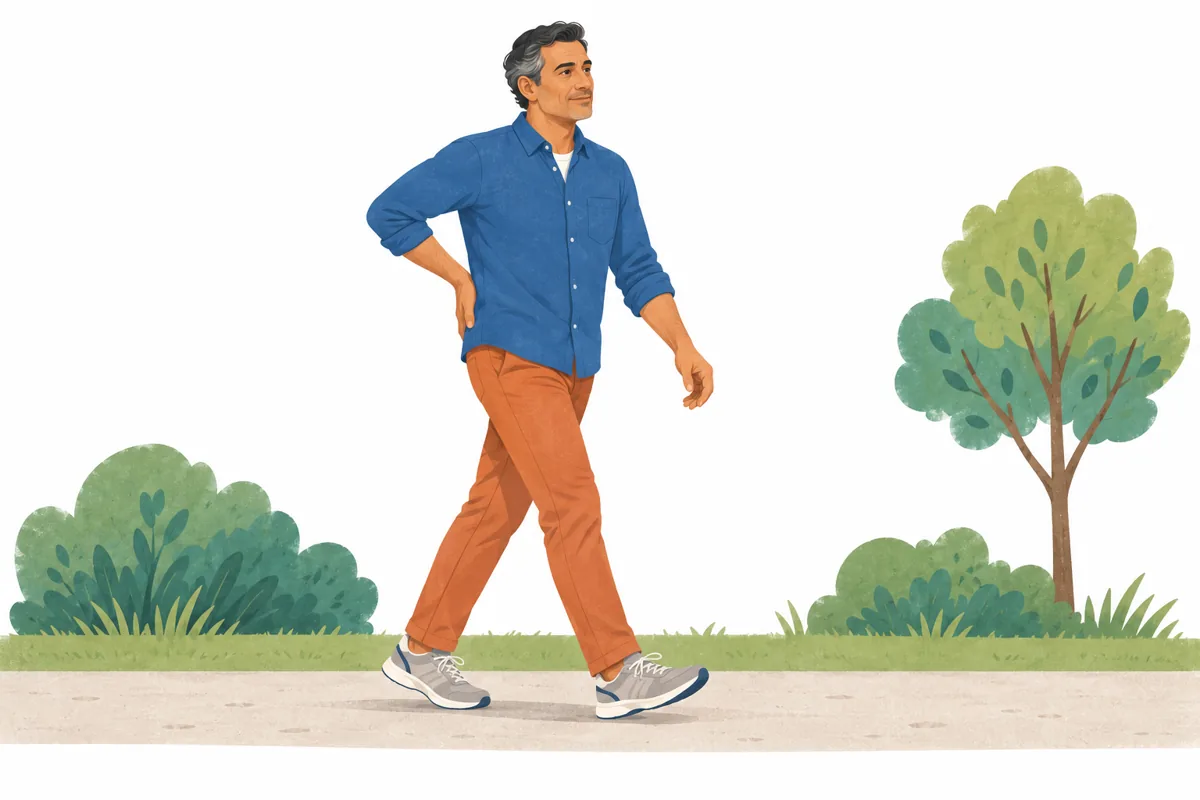
At a glance
- Without warning signs, maintain manageable everyday activities.
- Choose exercise for your current symptoms and adjust the amount to your response.
- New bladder or bowel changes, saddle numbness or rapidly worsening weakness need immediate assessment.
If there are no warning signs, begin with everyday activities you can manage. A brief rest during severe pain may be necessary, but spending the whole day in bed is not the usual foundation of back-pain care. Choose manageable movement today and adjust it according to symptoms during and after activity.
Returning to activity with back pain
- 01
Check first
Look for new changes in bladder, bowel, sensation or strength.
- 02
Start small
Begin with manageable daily tasks and short walks.
- 03
Check the response
Adjust duration, intensity or movement if pain increases.
- 04
Build gradually
Repeat tolerated activities before increasing them.
Four steps: check warning signs, start small, assess symptoms and increase gradually
Resume manageable movement after a brief rest
Back pain can make you want to stop every movement. Without warning signs, however, maintaining activity is generally advised. Begin with moving around your home or a short walk. Reduce heavy tasks that aggravate symptoms while continuing manageable activities such as meals or light household tasks.
Change position and find opportunities to move rather than remaining in bed. You do not need to reach your usual exercise amount immediately. Suitable activity depends on the cause of pain, leg symptoms and other conditions. Follow specific restrictions after recent surgery or a fracture, or when your clinician has given you a separate plan.
Find sustainable exercise rather than one universal solution
Options include aerobic activity such as walking and exercises for strength and movement. Choose according to symptoms, fitness and preferences. The same stretch or bending exercise does not suit everyone. Increased leg tingling in a position or difficulty with balance also affects exercise choice.
Therapeutic exercise may involve trunk muscles, including the back and abdomen, movement control and practice of daily tasks. Ask a clinician or exercise therapist if technique is difficult or symptoms repeatedly return. Start with a comfortable range rather than intense core exercises or deep stretching.
Adjust duration and intensity to your response
If pain clearly worsens after activity or daily function declines, reduce duration, speed or movement range and reassess. Stop a movement if pain keeps increasing during it. The aim is not to force your way through a prescribed number of repetitions. Repeat manageable activities, then increase gradually rather than making a large jump.
When sitting for long periods, get up, move and change position. Choose manageable loads and reduce sudden twisting or carrying heavy items in one trip. Massage may provide temporary relief, but it is best considered within a plan that also includes activity and therapeutic exercise.
New nerve symptoms need assessment before exercise
Seek emergency assessment for new inability to pass urine, loss of bladder or bowel control, or reduced sensation around the genitals and between the buttocks. Do not keep exercising while watching these symptoms. Rapidly worsening leg weakness or new difficulty walking also needs immediate attention. Back pain after a major accident should be assessed before trying routine exercise.
Arrange review if pain keeps worsening or normal activities remain difficult. Record walking tolerance, discomfort while sitting, leg tingling and changes in strength. Recovery includes sleep, walking and daily function as well as a pain score. The plan should help you maintain regular activity without overdoing it.
Common Questions
Must all pain disappear before I start walking?
Without warning signs or specific restrictions, gentle activity can begin as symptoms allow. Reduce and adjust the amount if it makes symptoms worse.
Will doing many back stretches speed recovery?
Choosing suitable movements matters more than doing more. Stop stretches that repeatedly worsen pain or leg symptoms and ask for guidance.
If massage helps, can I skip exercise?
Temporary comfort and restoration of function both matter. Massage is best used within a plan that also includes activity and therapeutic exercise.
Evidence and references
01When to seek medical care
Each warning sign is a separate reason to seek care. Follow the action below if any one applies.
Emergency department · call 119 in Korea
- Call 119 for sudden breathlessness or chest pain, severe faintness or loss of consciousness. Do not wait for calf swelling to appear.
- Go to an emergency department if you suddenly cannot bear any weight, or if an injured knee swells rapidly or looks deformed. A cold or numb foot after injury also needs immediate assessment.
- Seek emergency care for a hot, swollen and severely painful joint with high fever, shaking chills, confusion or inability to bear weight.
- With back or leg pain, go immediately to an emergency department for new difficulty passing urine, loss of bladder or bowel control, or numbness around the genitals or anus. Severe or rapidly worsening weakness or numbness in both legs also needs immediate assessment.
Same-day assessment
- Arrange assessment today for a newly hot, swollen joint, sudden severe pain, or a knee locked so that it cannot fully straighten. Joint infection can occur without fever.
- Have new swelling or pain in one calf assessed today for a possible blood clot. Call 119 immediately if breathlessness or chest pain develops.
- Severe knee pain or a new limp in a growing adolescent may come from a hip condition such as slipped capital femoral epiphysis. Stop walking and sport and arrange assessment today. Go directly to emergency care if they cannot bear weight.
- Stop running and seek assessment today for new recurring groin pain, pain with walking or at night, or a limp. A femoral neck stress fracture needs to be considered. Keep weight off the painful leg until assessed. Go to emergency care if you cannot bear weight.
Book an outpatient appointment
- If none of the warning signs above is present, book an appointment for pain lasting a few weeks, repeated swelling or reduced daily activity and exercise.